

What is the fatigue life of a single acting cylinder?
Hey there! As a supplier of Single Acting Cylinders, I often get asked about the fatigue life of these nifty pieces of equipment. So, I thought I'd take a deep dive into this topic and share some insights with you.
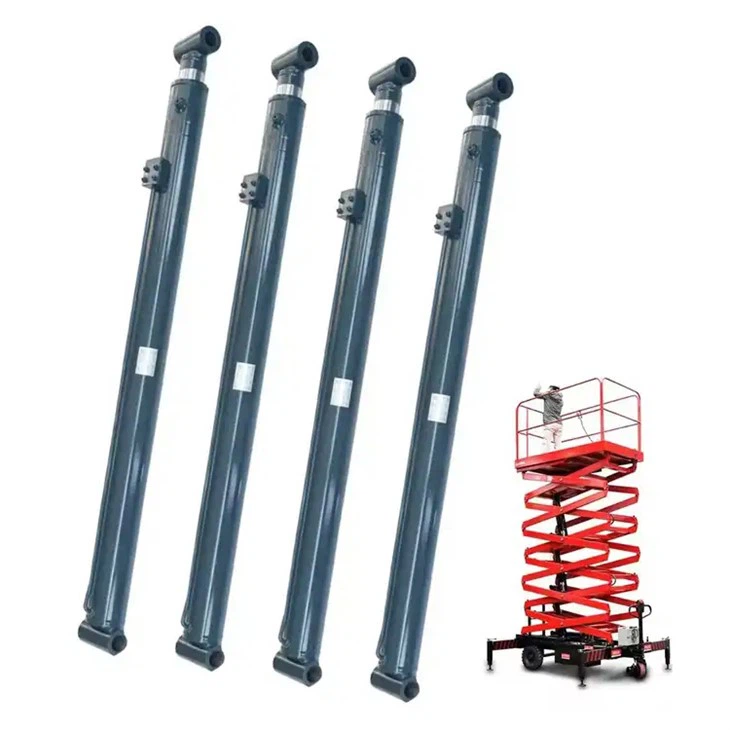
First off, let's quickly understand what a Single Acting Cylinder is. A Single Acting Cylinder is a type of hydraulic or pneumatic cylinder that generates force in only one direction. It uses hydraulic or pneumatic pressure to move the piston in one direction, and then some external force, like gravity or a spring, is used to return the piston to its original position. These cylinders are widely used in various industries, from construction to manufacturing, because of their simplicity and cost - effectiveness.
Now, the fatigue life of a Single Acting Cylinder is essentially the number of cycles it can go through before it starts to fail due to fatigue. Fatigue failure is a big deal in engineering. It happens when a material is subjected to repeated loading and unloading, and over time, small cracks start to form and grow until the component can no longer function properly.
There are several factors that can affect the fatigue life of a Single Acting Cylinder. One of the most important ones is the operating pressure. The higher the pressure the cylinder has to work under, the more stress is placed on its components, especially the piston rod and the cylinder barrel. For example, if a cylinder is constantly operating at its maximum pressure rating, the chances of fatigue failure increase significantly.
Another factor is the frequency of operation. If a Single Acting Cylinder is used in a high - speed application where it has to cycle hundreds or even thousands of times per hour, the wear and tear on its parts will be much greater compared to a cylinder that is used less frequently. This is because each cycle subjects the components to stress, and the more cycles there are, the more likely it is that fatigue will set in.
The quality of the materials used in the construction of the cylinder also plays a crucial role. High - quality steel or other alloys with good fatigue resistance can significantly extend the fatigue life of the cylinder. For instance, a cylinder made from a high - grade stainless steel will generally last longer than one made from a lower - quality carbon steel. This is because better materials can withstand more stress and are less prone to crack formation.
The seals in a Single Acting Cylinder are also vital. Single Acting Hydraulic Cylinder Seals are responsible for preventing fluid leakage and maintaining the pressure inside the cylinder. If the seals are of poor quality or are not properly installed, they can cause leaks, which can lead to inconsistent pressure and increased stress on the cylinder components. Over time, this can reduce the fatigue life of the cylinder.
Environmental conditions can't be ignored either. If a cylinder is used in a harsh environment, such as one with high humidity, extreme temperatures, or exposure to corrosive chemicals, the materials can degrade faster. Corrosion can weaken the structure of the cylinder, making it more susceptible to fatigue failure. For example, in a coastal area where there is a lot of salt in the air, a cylinder that is not properly protected can start to corrode, and this corrosion can act as a stress concentrator, accelerating the fatigue process.

Let's talk about how we can estimate the fatigue life of a Single Acting Cylinder. There are a few methods engineers use. One common approach is to use fatigue testing. In a laboratory setting, a sample cylinder is subjected to a controlled number of cycles under specific loading conditions. By monitoring the development of cracks and other signs of fatigue, engineers can then extrapolate the results to predict the fatigue life of cylinders in real - world applications.
Another method is to use analytical models. These models take into account factors like the material properties, the geometry of the cylinder, and the loading conditions. By using equations and algorithms, engineers can calculate an estimated fatigue life. However, it's important to note that these models are based on assumptions, and real - world conditions can sometimes deviate from these assumptions.
As a supplier, we take several steps to ensure that our Single Acting Cylinders have a long fatigue life. We use only the highest - quality materials in our manufacturing process. Our cylinders are made from premium steels that have excellent fatigue resistance properties. We also pay close attention to the design of the cylinders. We optimize the shape and dimensions of the components to reduce stress concentrations and improve the overall strength of the cylinder.
When it comes to the seals, we offer Single Acting Hydraulic Cylinder Seals that are made from high - performance elastomers. These seals are designed to withstand high pressures and temperatures, and they have excellent resistance to wear and tear. This helps to prevent leaks and maintain the proper functioning of the cylinder, which in turn extends its fatigue life.
We also provide proper maintenance guidelines to our customers. Regular maintenance, such as checking the oil levels, inspecting the seals for damage, and cleaning the cylinder, can go a long way in ensuring that the cylinder lasts as long as possible. By following these guidelines, customers can catch potential problems early and take corrective action before they lead to fatigue failure.
In some applications, like in small - scale machinery, Small Single Acting Hydraulic Cylinders are often used. These cylinders have their own unique set of considerations when it comes to fatigue life. Due to their smaller size, they may have less material to withstand stress, but they also tend to operate at lower pressures and frequencies in many cases. However, the same principles of fatigue apply, and factors like material quality and seal integrity are still very important.
If you're in the market for a Single Acting Cylinder, it's crucial to consider the fatigue life. You don't want to end up with a cylinder that fails prematurely and causes costly downtime in your operations. By choosing a reliable supplier who pays attention to the factors that affect fatigue life, you can ensure that you get a high - quality cylinder that will serve you well for a long time.
We're here to help you make the right choice. Whether you need a cylinder for a high - pressure, high - frequency application or a small - scale project, we have the expertise and the products to meet your needs. If you have any questions about the fatigue life of our Single Acting Cylinders or want to discuss your specific requirements, don't hesitate to get in touch. We're always happy to have a chat and help you find the perfect cylinder for your application.
In conclusion, understanding the fatigue life of a Single Acting Cylinder is essential for anyone who uses or supplies these cylinders. By considering the factors that affect fatigue life and taking appropriate measures to extend it, we can ensure that these important components continue to perform reliably in a wide range of applications.
References
- Mechanical Engineering Design, Shigley's, 10th Edition
- Hydraulic Cylinder Handbook, various industry publications