

What is the compatibility of single acting cylinders with different fluids?
Single acting cylinders are essential components in various industrial and mechanical applications, known for their simplicity and efficiency. As a supplier of Single Acting Cylinder, I often encounter questions regarding the compatibility of these cylinders with different fluids. Understanding this compatibility is crucial for ensuring optimal performance, longevity, and safety of the cylinders.
1. Basics of Single Acting Cylinders
Single acting cylinders operate by applying fluid pressure to one side of the piston, which generates a force in one direction. The return stroke is typically achieved through an external force, such as a spring or gravity. These cylinders are widely used in applications where a unidirectional force is required, such as in presses, clamps, and some types of lifting mechanisms.
The design of single acting cylinders is relatively straightforward, consisting of a cylinder barrel, a piston, a piston rod, and seals. The seals play a vital role in preventing fluid leakage and maintaining the integrity of the system. For more information on Single Acting Hydraulic Cylinder Seals, you can visit our website.
2. Compatibility with Hydraulic Fluids
Hydraulic fluids are the most common type of fluid used in single acting cylinders. They are designed to transfer power efficiently and provide lubrication to the moving parts. However, not all hydraulic fluids are compatible with all single acting cylinders.
Mineral - Based Hydraulic Fluids
Mineral - based hydraulic fluids are widely used due to their good lubricating properties, low cost, and availability. They are generally compatible with most single acting cylinders made of common materials such as steel and cast iron. These fluids have a relatively wide operating temperature range, but they may not be suitable for applications where fire resistance is required.
Synthetic Hydraulic Fluids
Synthetic hydraulic fluids offer several advantages over mineral - based fluids, including better high - temperature performance, lower viscosity at low temperatures, and improved fire resistance. They are often used in applications where extreme operating conditions are expected, such as in aerospace and some industrial machinery. However, synthetic fluids can be more expensive, and some seals may not be compatible with them. It is essential to check the manufacturer's recommendations when using synthetic hydraulic fluids with single acting cylinders.
Biodegradable Hydraulic Fluids
With the increasing focus on environmental protection, biodegradable hydraulic fluids have become more popular. These fluids are typically made from vegetable oils or synthetic esters. They are compatible with many single acting cylinders, but they may require special seals and materials to prevent degradation and ensure long - term performance.
3. Compatibility with Pneumatic Fluids
Pneumatic single acting cylinders use compressed air as the working fluid. Compressed air is clean, readily available, and relatively inexpensive. It is also safe to use in many environments, including those where there is a risk of fire or explosion.
The main advantage of using compressed air in single acting cylinders is its fast response time. However, air has a lower density compared to hydraulic fluids, which means that pneumatic cylinders generally produce less force than hydraulic cylinders of the same size.
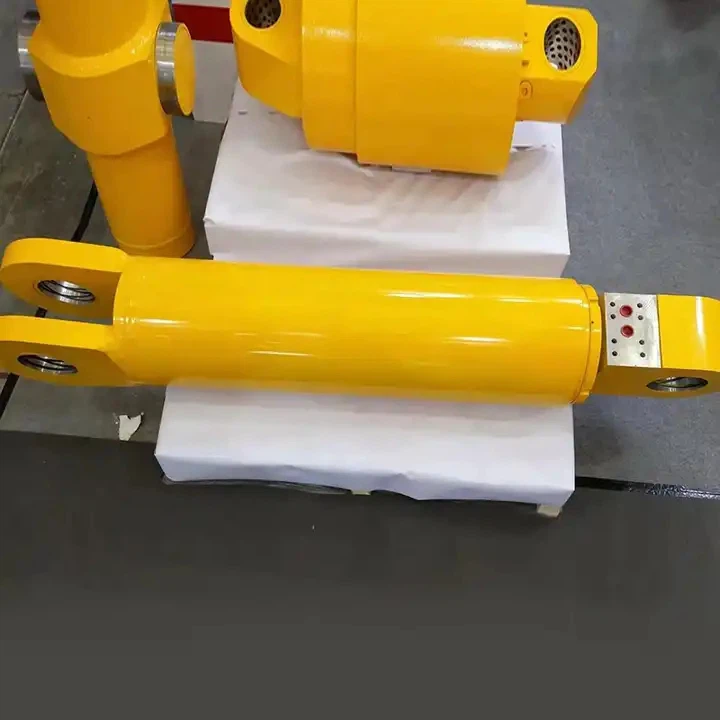

When using pneumatic single acting cylinders, it is important to ensure that the air is clean and dry. Moisture in the compressed air can cause corrosion inside the cylinder, leading to premature failure of the seals and other components. Air filters and dryers are often used to remove moisture and contaminants from the compressed air.
4. Compatibility with Other Fluids
In some special applications, single acting cylinders may be required to work with other types of fluids, such as water - based fluids or chemicals.
Water - Based Fluids
Water - based fluids are often used in applications where fire resistance is a major concern, such as in mining and some manufacturing processes. These fluids can be compatible with single acting cylinders, but they may require special materials and coatings to prevent corrosion. The seals used in water - based fluid systems also need to be specifically designed to resist the effects of water.
Chemical Fluids
When single acting cylinders are used in chemical processing plants or other applications where they come into contact with chemicals, the compatibility of the cylinder materials with the chemicals is of utmost importance. Some chemicals can cause corrosion, swelling, or degradation of the cylinder components. It is necessary to select cylinders made of materials that are resistant to the specific chemicals, such as stainless steel or certain types of plastics.
5. Factors Affecting Fluid Compatibility
Several factors can affect the compatibility of single acting cylinders with different fluids:
Temperature
The operating temperature of the fluid can have a significant impact on the performance of the cylinder. High temperatures can cause the fluid to degrade, reduce its viscosity, and affect the seals. Low temperatures can make the fluid more viscous, which may lead to increased resistance and reduced efficiency. It is important to choose a fluid with a suitable viscosity - temperature characteristic for the expected operating temperature range.
Pressure
The pressure of the fluid in the cylinder also affects compatibility. High - pressure applications require fluids with good lubricating properties and materials that can withstand the stress. The seals need to be designed to prevent leakage under high pressure.
Contaminants
Contaminants in the fluid, such as dirt, debris, and moisture, can cause wear and damage to the cylinder components. Filters and other purification systems should be used to keep the fluid clean.
6. Ensuring Compatibility
To ensure the compatibility of single acting cylinders with different fluids, the following steps can be taken:
Consult the Manufacturer
The manufacturer of the single acting cylinder can provide valuable information on the recommended fluids for their products. They can also offer guidance on any special requirements or precautions.
Conduct Compatibility Tests
In some cases, it may be necessary to conduct compatibility tests between the cylinder materials and the fluid. This can help identify any potential issues before the system is put into operation.
Regular Maintenance
Regular maintenance of the single acting cylinder and the fluid system is essential. This includes checking the fluid level, changing the fluid at recommended intervals, and inspecting the seals and other components for wear and damage.
7. Conclusion
The compatibility of single acting cylinders with different fluids is a complex but important issue. As a supplier of Single Acting Cylinder, we understand the significance of ensuring that our products work effectively with various fluids. Whether you need a Small Single Acting Hydraulic Cylinder for a specific application or have questions about fluid compatibility, our team of experts is here to assist you.
If you are interested in purchasing single acting cylinders or have any inquiries regarding fluid compatibility, please feel free to contact us. We are committed to providing high - quality products and excellent customer service.
References
- "Hydraulic and Pneumatic Systems" by John F. Doughtie
- "Fluid Power Technology" by Fred E. Shearer
- Manufacturer's technical documentation for single acting cylinders