

What are the main components of a gear pump and motor?
Gear pumps and motors are fundamental components in various industrial and mobile hydraulic systems. As a leading supplier of gear pumps and motors, I am well - versed in the intricacies of these devices. In this blog, I will delve into the main components of gear pumps and motors, explaining their functions and importance.
Main Components of a Gear Pump
Gears
The gears are the heart of a gear pump. There are two main types of gear arrangements: external and internal gears. In an external gear pump, two identical gears mesh together. One gear is driven by the motor, and it, in turn, drives the other gear. The teeth of the gears create chambers that trap the fluid at the inlet side of the pump. As the gears rotate, these chambers move the fluid from the inlet to the outlet. External gear pumps are known for their simplicity, high efficiency, and ability to handle a wide range of viscosities. You can learn more about external and internal gear pumps by visiting this External and Internal Gear Pump link.
In an internal gear pump, there is a larger outer gear and a smaller inner gear. The inner gear is eccentrically mounted inside the outer gear. The teeth of the two gears mesh at one point, creating a series of expanding and contracting chambers. These chambers draw in the fluid at the inlet and force it out at the outlet. Internal gear pumps are often used in applications where a smooth and quiet operation is required, such as in some automotive and food - processing industries.
Housing
The housing of a gear pump serves multiple purposes. It encloses the gears and provides a sealed environment for the fluid to flow. The housing is designed to withstand the pressure generated by the pump. It is usually made of materials like cast iron, steel, or aluminum. Aluminum gear pumps are popular due to their lightweight and corrosion - resistant properties. If you are interested in aluminum gear pumps, you can check out this Aluminium Gear Pump link.
The housing also has inlet and outlet ports. The inlet port is where the fluid enters the pump, and the outlet port is where the pressurized fluid exits. The design of these ports is crucial for efficient fluid flow. They are often sized and shaped to minimize turbulence and pressure losses.
Bearings
Bearings are used to support the shafts of the gears. They reduce friction and allow the gears to rotate smoothly. There are different types of bearings used in gear pumps, such as sleeve bearings and ball bearings. Sleeve bearings are simple and cost - effective, while ball bearings offer lower friction and longer service life. The choice of bearings depends on factors like the speed of the pump, the load it has to carry, and the operating environment.
Seals
Seals are essential for preventing fluid leakage from the pump. They are placed at various locations, such as around the shafts and between the housing components. There are different types of seals, including lip seals and mechanical seals. Lip seals are commonly used in low - pressure applications, while mechanical seals are more suitable for high - pressure and high - speed applications. Proper sealing is crucial for the efficiency and reliability of the gear pump.
Main Components of a Gear Motor
Gears
Similar to gear pumps, gears are the key components of a gear motor. The gears in a gear motor convert the hydraulic energy of the fluid into mechanical energy, which is used to drive a load. The meshing of the gears creates a rotational force. The size, shape, and number of teeth of the gears determine the torque and speed characteristics of the motor.
Housing
The housing of a gear motor has a similar function to that of a gear pump. It encloses the gears and provides a sealed chamber for the fluid to act on the gears. It also has ports for the inlet and outlet of the fluid. The housing is designed to withstand the pressure of the fluid and the mechanical forces generated by the rotating gears.
Shaft
The shaft of a gear motor is connected to the gears and transmits the rotational power to the load. It is usually made of high - strength steel to withstand the torque and bending forces. The shaft is supported by bearings, which ensure smooth rotation.
Control Valves (Optional)
In some gear motors, control valves are used to regulate the flow and pressure of the fluid. These valves can control the speed and direction of the motor. For example, a directional control valve can be used to reverse the direction of rotation of the motor. Proportional control valves can be used to precisely control the speed of the motor.
Interaction between Gear Pumps and Motors in a System
In a hydraulic system, a gear pump is used to generate the flow and pressure of the hydraulic fluid. The pressurized fluid is then sent to a gear motor, which converts the hydraulic energy into mechanical energy to drive a load. The efficiency of the system depends on the proper matching of the pump and the motor. The flow rate and pressure of the pump should be compatible with the requirements of the motor.
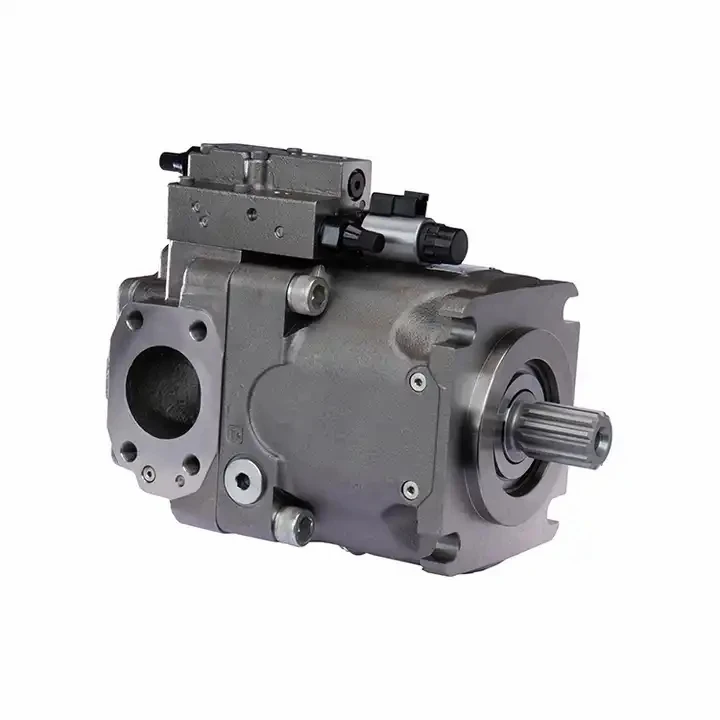

For example, if the pump generates too much pressure and flow for the motor, it can lead to overheating and premature wear of the motor components. On the other hand, if the pump does not provide enough pressure and flow, the motor may not be able to drive the load effectively.
Applications of Gear Pumps and Motors
Gear pumps and motors are widely used in various industries. In the automotive industry, they are used in power steering systems, automatic transmissions, and engine lubrication systems. In the construction industry, they are used in hydraulic equipment such as excavators, loaders, and cranes. In the manufacturing industry, they are used in machine tools, presses, and conveyor systems.
Why Choose Our Gear Pumps and Motors
As a supplier of gear pumps and motors, we offer high - quality products. Our gear pumps and motors are designed and manufactured using the latest technology and high - quality materials. We have a wide range of products to meet different customer requirements. Whether you need a small - sized gear pump for a light - duty application or a large - scale gear motor for a heavy - duty industrial application, we can provide the right solution.
Our products are also known for their reliability and long service life. We conduct strict quality control tests during the manufacturing process to ensure that each product meets the highest standards. In addition, we offer excellent after - sales service. Our technical support team is always ready to assist you with any questions or problems you may encounter.
If you are interested in our Rotary Gear Pump with Motor, please feel free to contact us for more information. We are looking forward to discussing your specific needs and providing you with the best gear pump and motor solutions. Our team of experts will work closely with you to understand your requirements and offer the most suitable products at competitive prices.
References
- "Hydraulic Equipment and Systems" by John F. Caruthers
- "Fluid Power with Applications" by Anthony Esposito