

How to troubleshoot a fuel gear pump that is not pumping fuel?
Troubleshooting a fuel gear pump that isn't pumping fuel can be a daunting task, but with the right approach, it can be resolved efficiently. As a reputable fuel gear pump supplier, I've encountered numerous issues related to these pumps over the years. In this blog, I'll share some insights on how to troubleshoot a fuel gear pump that is not pumping fuel.
Understanding the Basics of a Fuel Gear Pump
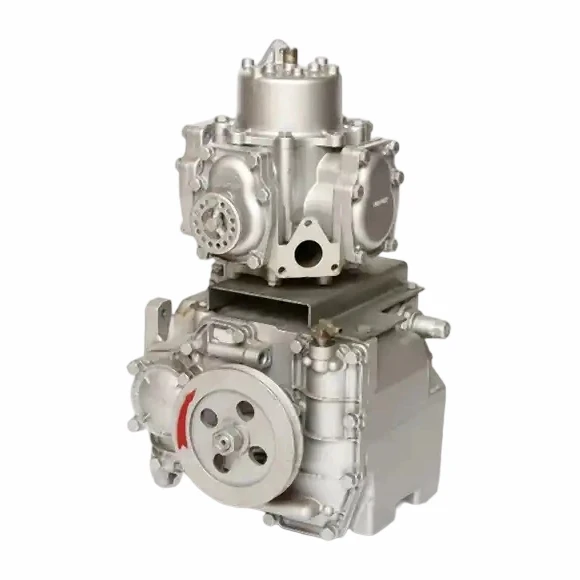
Before diving into troubleshooting, it's essential to understand how a fuel gear pump works. A fuel gear pump typically consists of two meshing gears enclosed in a housing. As the gears rotate, they create a vacuum at the inlet port, drawing fuel into the pump. The fuel is then trapped between the gear teeth and the pump housing and is transported to the outlet port, where it is discharged under pressure.
Initial Checks
The first step in troubleshooting a fuel gear pump is to perform some initial checks. These checks are relatively simple and can help identify some common issues.
Check the Power Supply
Ensure that the pump is receiving power. If the pump is electrically driven, check the power connections and the fuse. A blown fuse or a loose connection can prevent the pump from operating. If the pump is mechanically driven, check the drive mechanism, such as the belt or the coupling, to ensure that it is properly connected and in good condition.
Inspect the Fuel Tank
Check the fuel tank to ensure that it has an adequate supply of fuel. A low fuel level can cause the pump to draw in air, which can lead to a loss of prime and prevent the pump from pumping fuel. Also, inspect the fuel tank for any signs of contamination, such as water or debris. Contaminated fuel can damage the pump and cause it to malfunction.
Examine the Inlet and Outlet Lines
Inspect the inlet and outlet lines for any signs of damage, such as cracks or leaks. A damaged line can cause a loss of pressure and prevent the pump from pumping fuel effectively. Also, check the lines for any blockages. A blockage in the inlet line can prevent fuel from entering the pump, while a blockage in the outlet line can cause the pump to overpressure and fail.
Checking the Pump Components
If the initial checks do not reveal any issues, the next step is to check the pump components.
Inspect the Gears
The gears are the heart of the fuel gear pump. Over time, the gears can wear out or become damaged, which can affect the pump's performance. Remove the pump cover and inspect the gears for any signs of wear, such as scoring or chipping. If the gears are worn or damaged, they should be replaced.
Check the Seals and O-Rings
The seals and O-rings in the pump prevent fuel from leaking and ensure that the pump operates efficiently. Inspect the seals and O-rings for any signs of damage, such as cracks or tears. A damaged seal or O-ring can cause a loss of pressure and prevent the pump from pumping fuel. If the seals or O-rings are damaged, they should be replaced.
Examine the Pump Housing
The pump housing provides support and protection for the pump components. Inspect the pump housing for any signs of damage, such as cracks or corrosion. A damaged pump housing can cause fuel to leak and affect the pump's performance. If the pump housing is damaged, it should be repaired or replaced.
Testing the Pump
Once you have inspected the pump components, the next step is to test the pump to ensure that it is functioning properly.
Pressure Testing
Use a pressure gauge to test the pump's outlet pressure. Connect the pressure gauge to the outlet port of the pump and start the pump. The pressure reading should be within the pump's specified range. If the pressure is too low, it could indicate a problem with the pump, such as worn gears or a damaged seal. If the pressure is too high, it could indicate a blockage in the outlet line.

Flow Testing
Use a flow meter to test the pump's flow rate. Connect the flow meter to the outlet port of the pump and start the pump. The flow rate should be within the pump's specified range. If the flow rate is too low, it could indicate a problem with the pump, such as worn gears or a blockage in the inlet line.
Common Issues and Solutions
Here are some common issues that can cause a fuel gear pump to stop pumping fuel and their solutions:
Loss of Prime
A loss of prime can occur when the pump loses its ability to draw fuel from the tank. This can be caused by a low fuel level, a leak in the inlet line, or air in the system. To solve this issue, ensure that the fuel tank has an adequate supply of fuel, check the inlet line for any leaks, and bleed the air from the system.
Worn Gears
Worn gears can cause a loss of pressure and flow rate. This can be caused by normal wear and tear or by running the pump with contaminated fuel. To solve this issue, replace the worn gears with new ones.
Damaged Seals and O-Rings
Damaged seals and O-rings can cause fuel to leak and a loss of pressure. This can be caused by normal wear and tear or by exposure to harsh chemicals. To solve this issue, replace the damaged seals and O-rings with new ones.
Blockages
Blockages in the inlet or outlet lines can prevent fuel from flowing through the pump. This can be caused by debris or sediment in the fuel. To solve this issue, clean the inlet and outlet lines and remove any blockages.
Conclusion
Troubleshooting a fuel gear pump that is not pumping fuel requires a systematic approach. By performing the initial checks, inspecting the pump components, and testing the pump, you can identify and resolve the issue. As a fuel gear pump supplier, we offer a wide range of high-quality Fuel Gear Pump products, including Aluminium Gear Pump and Tandem Gear Pump. If you are experiencing problems with your fuel gear pump or are looking to purchase a new one, please feel free to contact us for more information and to discuss your specific requirements. We are committed to providing our customers with the best products and services.
References
- Hydraulic Pump Handbook
- Gear Pump Manufacturer's Manuals