

How to reduce the vibration of a gear pump with motor?
As a supplier of Gear Pump with Motor, I understand the challenges that come with dealing with excessive vibration in these crucial components. Vibration in a gear pump with a motor can lead to a host of problems, including reduced efficiency, increased wear and tear, and even potential system failures. In this blog post, I'll share some effective strategies to reduce the vibration of a gear pump with a motor.
Understanding the Causes of Vibration
Before we delve into the solutions, it's essential to understand the root causes of vibration in a gear pump with a motor. Several factors can contribute to this issue:
- Imbalance: An imbalance in the rotating components of the motor or the gear pump can cause significant vibration. This can be due to manufacturing defects, wear and tear, or improper installation.
- Misalignment: If the motor and the gear pump are not properly aligned, it can lead to uneven forces acting on the system, resulting in vibration. Misalignment can occur during installation or due to external factors such as thermal expansion.
- Cavitation: Cavitation happens when the pressure in the fluid drops below the vapor pressure, causing the formation of vapor bubbles. When these bubbles collapse, they create shockwaves that can lead to vibration and damage to the pump components.
- Resonance: Resonance occurs when the natural frequency of the system matches the frequency of the excitation force. This can amplify the vibration and cause severe damage to the pump and the motor.
- Worn Components: Over time, the gears, bearings, and other components of the gear pump can wear out, leading to increased clearance and vibration.
Strategies to Reduce Vibration
1. Proper Installation and Alignment
- Precision Installation: Ensure that the gear pump and the motor are installed according to the manufacturer's specifications. Use appropriate mounting hardware and follow the recommended torque values to prevent any looseness or misalignment.
- Alignment Checks: Regularly check the alignment of the motor and the gear pump using alignment tools such as laser alignment systems. Correct any misalignment immediately to minimize vibration.
2. Balancing the Rotating Components
- Dynamic Balancing: Have the rotating components of the motor and the gear pump dynamically balanced. This process involves adding or removing weight from the components to ensure that the center of mass is in line with the axis of rotation, reducing vibration.
- Regular Maintenance: Schedule regular maintenance checks to monitor the balance of the rotating components. Replace any worn or damaged parts promptly to maintain proper balance.
3. Cavitation Prevention
- Proper Fluid Selection: Choose a fluid with the appropriate viscosity and lubricating properties for the gear pump. A fluid with too low viscosity can lead to cavitation, while a fluid with too high viscosity can cause excessive pressure and wear.
- Inlet Pressure Control: Ensure that the inlet pressure of the gear pump is within the recommended range. Use pressure regulators or suction strainers to maintain a consistent inlet pressure and prevent cavitation.
4. Damping and Isolation
- Vibration Dampers: Install vibration dampers between the gear pump and the motor or the mounting surface. These dampers absorb and dissipate the vibration energy, reducing the transfer of vibration to the surrounding components.
- Isolation Mounts: Use isolation mounts to separate the gear pump and the motor from the rest of the system. These mounts can reduce the transmission of vibration and noise, improving the overall performance of the system.
5. Resonance Avoidance
- Frequency Analysis: Conduct a frequency analysis of the gear pump and the motor to identify the natural frequencies of the system. Avoid operating the system at frequencies that are close to the natural frequencies to prevent resonance.
- Stiffening the Structure: Strengthen the structure of the gear pump and the motor to increase the natural frequency and reduce the risk of resonance. This can be achieved by adding reinforcements or using stiffer materials.
6. Component Replacement and Upgrades
- Regular Inspections: Conduct regular inspections of the gear pump and the motor to detect any signs of wear or damage. Replace any worn or damaged components promptly to prevent further vibration and damage.
- Upgrade to High-Quality Components: Consider upgrading to high-quality components such as gears, bearings, and seals. These components are designed to withstand higher loads and reduce vibration, improving the reliability and performance of the system.
Choosing the Right Gear Pump
When selecting a gear pump with a motor, it's important to choose a pump that is suitable for your application. Here are some factors to consider:

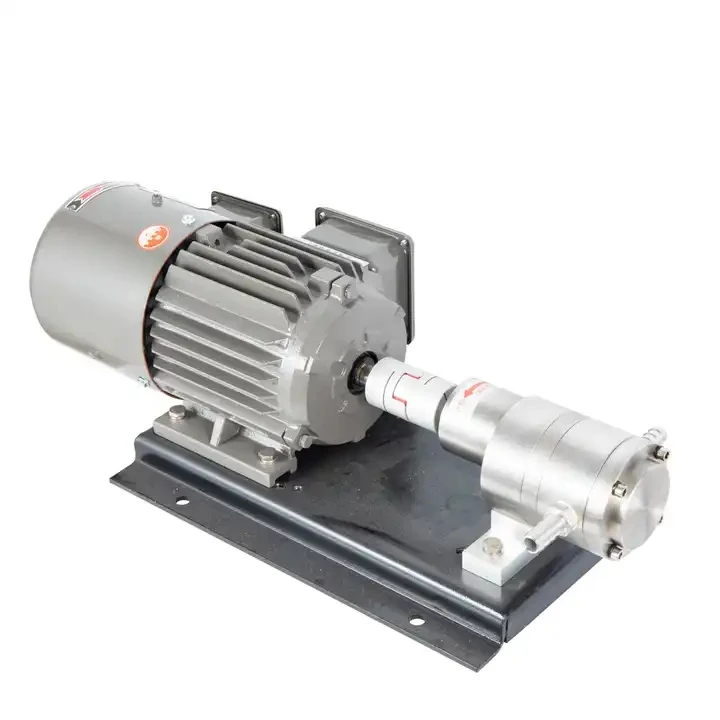
- Viscosity: If you are dealing with high viscosity fluids, consider a High Viscosity Gear Pump. These pumps are designed to handle thick fluids with ease and reduce the risk of cavitation and vibration.
- Pressure Requirements: For applications that require high pressure, a High Pressure Gear Pump may be the best choice. These pumps are built to withstand high pressure and provide reliable performance.
- Temperature Conditions: If your application involves high temperatures, a High Temperature Gear Pump is recommended. These pumps are designed to operate in extreme temperature conditions without compromising performance.
Conclusion
Reducing the vibration of a gear pump with a motor is crucial for ensuring the reliability and efficiency of your system. By understanding the causes of vibration and implementing the strategies outlined in this blog post, you can minimize vibration and extend the lifespan of your gear pump and motor.
If you are looking for a high-quality gear pump with a motor or need assistance in reducing vibration in your existing system, please don't hesitate to contact us. Our team of experts is ready to help you find the best solution for your specific needs.
References
- Hydraulic Pump Handbook
- Gear Pump Design and Application Guide
- Vibration Analysis and Control in Rotating Machinery