

How to optimize the performance of a fuel gear pump?
As a fuel gear pump supplier, I've seen firsthand how crucial it is to optimize the performance of these pumps for various applications. Whether it's in automotive, industrial, or marine settings, a well - performing fuel gear pump can make all the difference. In this blog, I'll share some tips and tricks on how to get the most out of your fuel gear pump.
Understanding the Basics of Fuel Gear Pumps
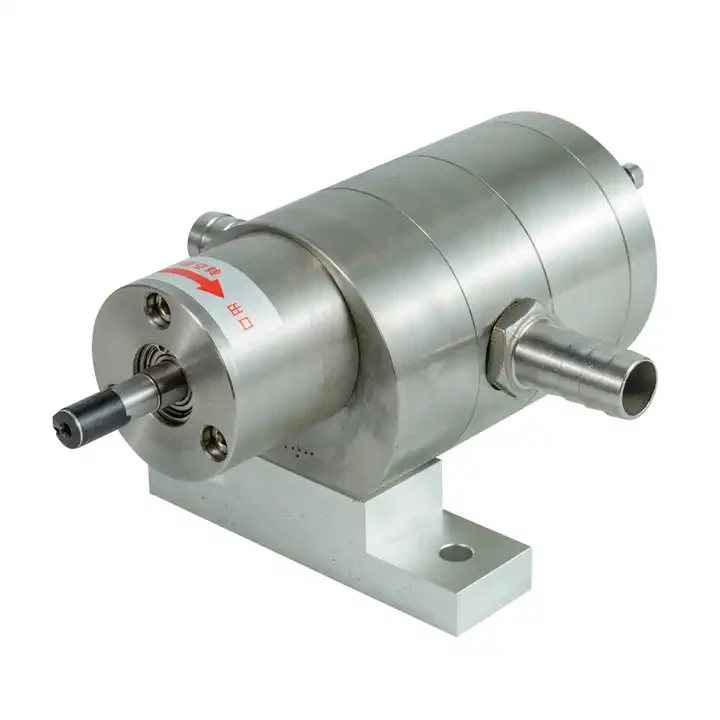
Before we dive into optimization, let's quickly go over what a fuel gear pump is. It's a type of positive displacement pump that uses gears to transfer fluid. The basic principle is simple: as the gears rotate, they create a vacuum that draws in fuel at the inlet and then forces it out at the outlet.
There are different types of gear pumps, like the High Viscosity Gear Pump, which is designed to handle thicker fluids, the Spur Gear Pump, a common type with straight - cut teeth, and the Micropump Gear Pump, often used for precise, small - scale applications.
Selecting the Right Pump
The first step in optimizing performance is choosing the right pump for your specific needs. You need to consider factors like the flow rate, pressure requirements, and the type of fuel you'll be pumping. For instance, if you're dealing with a high - viscosity fuel, a High Viscosity Gear Pump would be a better choice. Using the wrong pump can lead to inefficiencies, increased wear and tear, and even pump failure.
Proper Installation
Once you've selected the right pump, proper installation is key. Make sure the pump is mounted securely to prevent vibrations, which can cause premature wear and affect performance. The inlet and outlet connections should be properly sized and tightened to avoid leaks. Also, ensure that the pump is aligned correctly with the drive shaft. Misalignment can put extra stress on the pump's components and reduce its efficiency.
Regular Maintenance
Regular maintenance is one of the most important aspects of optimizing pump performance. Here are some maintenance tasks you should perform:
Lubrication
Proper lubrication is essential for reducing friction between the gears and other moving parts. Check the lubricant level regularly and change it according to the manufacturer's recommendations. Using the wrong type of lubricant can also cause problems, so make sure you use the one specified for your pump.
Filter Replacement
Fuel filters play a crucial role in protecting the pump from contaminants. Over time, filters can become clogged, which restricts the flow of fuel and puts extra strain on the pump. Replace the filters at regular intervals to ensure a clean fuel supply.
Seal Inspection
Inspect the seals regularly for signs of wear or damage. Leaking seals can lead to a loss of pressure and reduced pump efficiency. If you notice any leaks, replace the seals immediately.
Gear Inspection
The gears are the heart of the fuel gear pump. Check them for signs of wear, such as pitting or scoring. Worn gears can cause a decrease in flow rate and pressure. If the gears are severely worn, they should be replaced.
Monitoring and Troubleshooting
Monitoring the pump's performance is an ongoing process. Keep an eye on parameters like flow rate, pressure, and temperature. Any sudden changes in these values could indicate a problem. For example, a drop in flow rate could mean a clogged filter or worn gears, while an increase in temperature could be a sign of excessive friction or a lack of lubrication.
If you encounter any issues, don't ignore them. Troubleshoot the problem as soon as possible. Start by checking the obvious things like the filter, lubricant level, and seals. If you can't identify the problem, it might be a good idea to consult a professional.
Upgrading Components
In some cases, upgrading certain components can significantly improve the performance of your fuel gear pump. For example, upgrading to high - quality gears or seals can reduce wear and increase the pump's lifespan. You can also consider adding features like a pressure relief valve to protect the pump from over - pressure situations.
Training and Education
Make sure that the people operating and maintaining the fuel gear pump are properly trained. They should understand how the pump works, the importance of regular maintenance, and how to troubleshoot common problems. A well - trained operator can make a big difference in the pump's performance and longevity.
Conclusion
Optimizing the performance of a fuel gear pump is a combination of selecting the right pump, proper installation, regular maintenance, monitoring, and sometimes upgrading components. By following these steps, you can ensure that your pump operates at its best, providing reliable and efficient fuel delivery.
If you're in the market for a fuel gear pump or need advice on optimizing the performance of your existing pump, don't hesitate to reach out. We're here to help you find the best solutions for your specific needs. Let's start a conversation and see how we can work together to improve your fuel pumping system.

References
- "Gear Pump Handbook" by Pump Manufacturer's Association
- "Fluid Power Engineering" textbooks