

How to compare different helical gear pump models?
When it comes to the industrial world, helical gear pumps play a crucial role in various applications. As a helical gear pump supplier, I understand the importance of being able to compare different helical gear pump models. This knowledge not only helps customers make informed decisions but also allows us to provide the most suitable products for their specific needs. In this blog, I will share some key aspects to consider when comparing different helical gear pump models.
1. Flow Rate and Pressure Capabilities
The flow rate and pressure capabilities are fundamental factors when comparing helical gear pump models. The flow rate, typically measured in liters per minute (LPM) or gallons per minute (GPM), indicates how much fluid the pump can move within a given time frame. Higher flow rates are suitable for applications that require large volumes of fluid to be transferred quickly, such as in some industrial manufacturing processes.
On the other hand, the pressure capability, measured in pounds per square inch (PSI) or bar, shows the maximum pressure the pump can generate. Applications like hydraulic systems often demand pumps with high - pressure capabilities to operate effectively. For example, a heavy - duty construction equipment's hydraulic system needs a pump that can generate sufficient pressure to lift and move heavy loads.
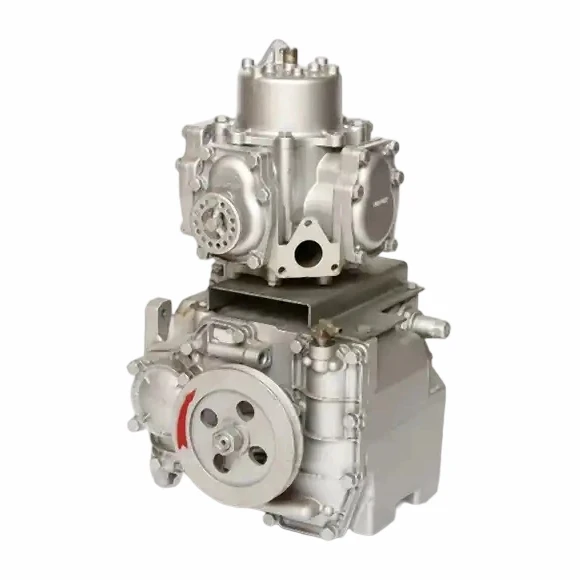
When comparing models, carefully examine the manufacturer's specifications for flow rate and pressure. Ensure that the pump you choose can meet the requirements of your specific application. If you need a pump for a fuel transfer system, you might want to check out our Fuel Gear Pump which is designed to provide a stable flow rate and appropriate pressure for fuel handling.
2. Efficiency
Efficiency is another critical factor in comparing helical gear pump models. An efficient pump consumes less energy while delivering the required flow rate and pressure. This not only reduces operating costs but also has a positive impact on the environment.
There are two main types of efficiency to consider: volumetric efficiency and mechanical efficiency. Volumetric efficiency refers to the ratio of the actual flow rate delivered by the pump to the theoretical flow rate. A higher volumetric efficiency means less leakage within the pump, resulting in a more accurate and consistent flow.
Mechanical efficiency, on the other hand, is related to the power input and output of the pump. It measures how effectively the pump converts mechanical energy into hydraulic energy. Pumps with high mechanical efficiency require less power to operate, which can lead to significant savings in the long run.
Look for pumps with high - efficiency ratings in the product specifications. Some advanced helical gear pump models are designed with precision - engineered gears and optimized internal clearances to improve both volumetric and mechanical efficiency.
3. Material and Construction
The material and construction of a helical gear pump can greatly affect its performance, durability, and suitability for different applications. The gears, housing, and other components of the pump are typically made from various materials, each with its own advantages and disadvantages.
For example, pumps with gears made of high - strength steel are known for their durability and resistance to wear. They can withstand high - pressure and high - speed operations, making them suitable for heavy - duty industrial applications. On the other hand, Aluminium Gear Pump models are lighter in weight and offer good corrosion resistance, which is ideal for applications where weight and corrosion are concerns, such as in some marine or food - processing industries.
The construction of the pump also matters. A well - constructed pump with a robust housing and proper sealing can prevent leakage and ensure reliable operation. Check for features like reinforced casings, precision - machined components, and high - quality seals when comparing different models.
4. Noise and Vibration Levels
In many industrial settings, noise and vibration can be a significant issue. Excessive noise can cause discomfort to workers and may even violate noise regulations in some areas. Vibration can also lead to premature wear of the pump and other connected components.
Helical gear pumps are generally known for their relatively quiet operation compared to other types of pumps. However, there can still be differences in noise and vibration levels between different models. When comparing pumps, look for models that are designed with noise - reducing features, such as helical gears that mesh smoothly to minimize noise generation.
Some pumps also come with vibration - dampening mounts or other isolation techniques to reduce the transmission of vibration to the surrounding environment. Consider these features, especially if your application requires a quiet and stable operation.
5. Maintenance Requirements
Maintenance is an important aspect to consider when comparing helical gear pump models. A pump that is easy to maintain can save time and money in the long run. Look for pumps with accessible components, such as easily removable covers and inspection ports. This allows for quick and easy inspection, cleaning, and replacement of parts.
The frequency of maintenance also varies between different models. Some pumps may require more frequent oil changes, seal replacements, or gear inspections. Consider the maintenance schedule recommended by the manufacturer and choose a pump that fits your maintenance capabilities and resources.
In addition, availability of spare parts is crucial. Make sure that the manufacturer offers a wide range of spare parts and has a reliable supply chain. This ensures that you can quickly obtain replacement parts when needed, minimizing downtime in case of a pump failure.
6. Compatibility with Fluids
Different helical gear pump models are designed to work with specific types of fluids. The compatibility of the pump with the fluid it will be handling is essential for proper operation and longevity.
Some pumps are designed for use with hydraulic fluids, while others are suitable for handling fuels, lubricants, or other chemicals. When comparing models, check the manufacturer's specifications to ensure that the pump is compatible with the fluid in your application. Using an incompatible pump can lead to corrosion, wear, and reduced performance.
For example, if you need a pump for handling a corrosive chemical, look for a pump with materials that are resistant to that particular chemical. Our Positive Displacement Gear Pump is available in different configurations to handle a variety of fluids, ensuring compatibility with your specific requirements.
7. Cost
Cost is always a factor when making a purchasing decision. However, it should not be the only consideration. While it may be tempting to choose the cheapest pump available, a low - cost pump may not necessarily offer the best value in the long run.
Consider the total cost of ownership, which includes the initial purchase price, operating costs (such as energy consumption), maintenance costs, and the cost of spare parts. A pump with a higher initial cost but lower operating and maintenance costs may actually be more cost - effective over its lifespan.
Compare the prices of different models while also taking into account the features, performance, and durability of each pump. Look for a balance between cost and quality to ensure that you get the best value for your money.
In conclusion, comparing different helical gear pump models requires a comprehensive evaluation of various factors, including flow rate, pressure capabilities, efficiency, material and construction, noise and vibration levels, maintenance requirements, fluid compatibility, and cost. By carefully considering these aspects, you can make an informed decision and choose the pump that best suits your specific application.
If you have any questions or need further assistance in choosing the right helical gear pump for your needs, please feel free to contact us. We are here to help you find the most suitable pump solution and look forward to discussing your requirements and starting a fruitful business relationship.

References
- "Hydraulic Pump Handbook" - A comprehensive guide on hydraulic pumps, including helical gear pumps.
- Manufacturer's product catalogs and technical specifications for various helical gear pump models.