

How to maintain a gear pump and motor?
Hey there! As a supplier of Gear Pump and Motor, I've seen firsthand how important it is to keep these components in top - notch condition. In this blog, I'll share some tips on how to maintain a gear pump and motor, so they can serve you well for a long time.
Understanding Gear Pumps and Motors
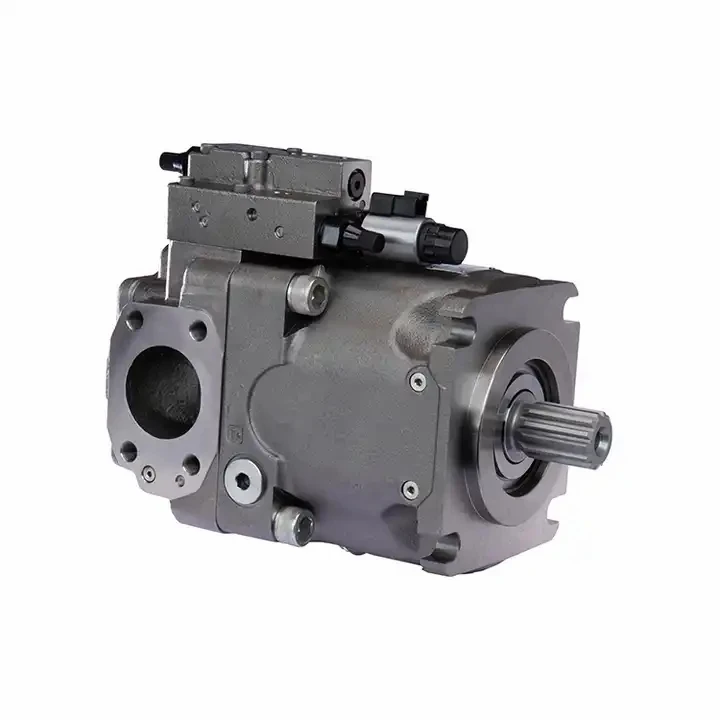
Before we dive into maintenance, let's quickly go over what gear pumps and motors are. A gear pump is a type of positive - displacement pump that uses the meshing of gears to pump fluid. It can be either an external or internal gear pump. You can learn more about External and Internal Gear Pump. On the other hand, a gear motor is a type of hydraulic motor that converts hydraulic pressure into mechanical power. Together, they form a crucial part of many hydraulic systems. We offer a great selection of Gear Pump and Motor that are known for their reliability and performance.
Regular Inspection
One of the first steps in maintaining a gear pump and motor is regular inspection. You should visually check the pump and motor for any signs of wear, damage, or leaks. Look at the gears, seals, and housing. If you notice any cracks, chips, or excessive wear on the gears, it's a sign that they may need to be replaced. Seals are also critical. A leaking seal can lead to a loss of hydraulic fluid, which can reduce the efficiency of the pump and motor and even cause damage over time.
Check the fluid level regularly. Low fluid levels can cause the pump to overheat and wear out faster. Make sure the fluid is clean and free of contaminants. Contaminated fluid can cause abrasion on the gears and other internal components, leading to premature failure.
Fluid Maintenance
The hydraulic fluid in a gear pump and motor is like the lifeblood of the system. It not only transfers power but also lubricates and cools the components. You need to use the right type of fluid recommended by the manufacturer. Using the wrong fluid can lead to poor performance and damage to the pump and motor.
Change the fluid at regular intervals. Over time, the fluid can break down and become contaminated with dirt, metal particles, and other debris. A good rule of thumb is to change the fluid every 1000 - 2000 hours of operation, but this can vary depending on the operating conditions.
Also, use a high - quality filter to keep the fluid clean. The filter should be changed according to the manufacturer's recommendations. A clogged filter can restrict the flow of fluid, causing the pump to work harder and potentially overheat.
Proper Installation
Proper installation is key to the long - term performance of a gear pump and motor. Make sure the pump and motor are installed in a clean and dry environment. The mounting surface should be flat and free of any debris. Use the correct bolts and torque them to the recommended specifications.
Ensure that the alignment between the pump and motor is correct. Misalignment can cause excessive vibration, which can lead to premature wear on the gears, bearings, and seals. You may need to use alignment tools to ensure accurate alignment.
Operating Conditions
Be mindful of the operating conditions of the gear pump and motor. Avoid overloading the system. Running the pump and motor at a higher pressure or flow rate than they are designed for can cause excessive wear and damage.
Keep the operating temperature within the recommended range. High temperatures can cause the fluid to break down more quickly and can also damage the seals and other components. If the system is running in a hot environment, consider using a cooling system to keep the temperature in check.
Lubrication
Proper lubrication is essential for the smooth operation of a gear pump and motor. The gears and bearings need to be well - lubricated to reduce friction and wear. The hydraulic fluid itself provides some lubrication, but in some cases, additional lubrication may be required.
Check the lubrication points regularly and add lubricant as needed. Make sure to use the right type of lubricant recommended by the manufacturer.
Troubleshooting
Even with proper maintenance, problems can still occur. If you notice any unusual noises, vibrations, or a decrease in performance, it's important to troubleshoot the issue as soon as possible.
If the pump is making a loud noise, it could be due to a variety of reasons, such as worn gears, a clogged filter, or air in the system. Check the gears for wear and replace them if necessary. Clean or replace the filter. To remove air from the system, you may need to bleed the pump.
If the pump is not delivering the expected flow or pressure, check for leaks, a clogged inlet or outlet, or a damaged relief valve. A leak can cause a loss of pressure, while a clogged inlet or outlet can restrict the flow of fluid. A damaged relief valve may not be functioning properly, causing the pressure to be too high or too low.
Storage
If you need to store a gear pump and motor for an extended period, take proper precautions. Clean the pump and motor thoroughly to remove any dirt, debris, and fluid. Apply a protective coating to prevent rust and corrosion.
Store the pump and motor in a dry and clean environment. Make sure they are stored in an upright position to prevent any fluid from leaking out.
The Micropump Gear Pump
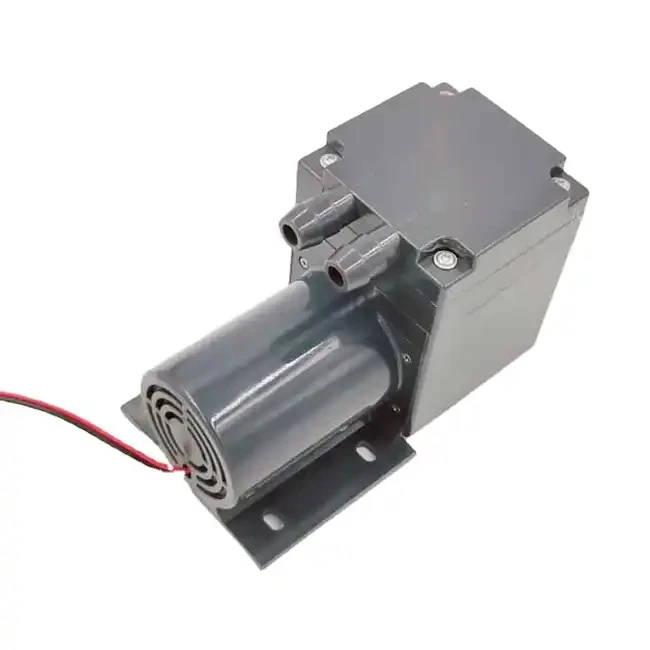
We also offer the Micropump Gear Pump, which is a great option for applications that require precise fluid transfer. These pumps are known for their high efficiency and reliability. The maintenance tips I've shared in this blog also apply to the Micropump Gear Pump.
Conclusion
Maintaining a gear pump and motor is not overly complicated, but it does require attention to detail and regular upkeep. By following these tips, you can extend the lifespan of your gear pump and motor, reduce the risk of breakdowns, and ensure optimal performance.
If you're in the market for a new gear pump and motor or have any questions about maintenance, feel free to reach out. We're here to help you make the right choice and keep your equipment running smoothly.
References
- Hydraulic Pump Handbook
- Manufacturer's manuals for Gear Pump and Motor