

What is the reverse operation ability of orbital motors?
Hey there! As a supplier of orbital motors, I often get asked about the reverse operation ability of these nifty little machines. So, I thought I'd take a few minutes to break it down for you and explain what it's all about.
First things first, let's talk about what an orbital motor is. In simple terms, an orbital motor is a type of hydraulic motor that converts hydraulic pressure into mechanical rotation. It's commonly used in a wide range of applications, from agricultural equipment and construction machinery to industrial automation and marine vessels.
Now, the reverse operation ability of an orbital motor refers to its capacity to rotate in the opposite direction. This feature is crucial in many applications where the equipment needs to perform tasks in both forward and reverse directions. For example, in a forklift, the ability to reverse the rotation of the motor allows the forks to lift and lower loads in both directions.
So, how does an orbital motor achieve reverse operation? Well, it all comes down to the design of the motor and the hydraulic system it's connected to. Most orbital motors are designed with a built - in mechanism that allows for easy reversal of the rotation direction.
In a typical hydraulic system, the flow of hydraulic fluid is controlled by valves. To reverse the operation of the orbital motor, the direction of the hydraulic fluid flow is reversed. When the fluid flows in one direction, the motor rotates in the forward direction, and when the flow is reversed, the motor rotates in the reverse direction.
One of the key advantages of the reverse operation ability in orbital motors is the increased versatility it offers. It allows equipment to perform a wider range of tasks without the need for additional mechanical components. For instance, in a skid - steer loader, the ability to reverse the rotation of the drive motors enables the machine to turn on a dime and maneuver in tight spaces.
Another benefit is the improved efficiency. By being able to reverse the motor's rotation, operators can optimize the use of the equipment. They can quickly change the direction of movement, which can save time and energy, especially in applications where frequent direction changes are required.
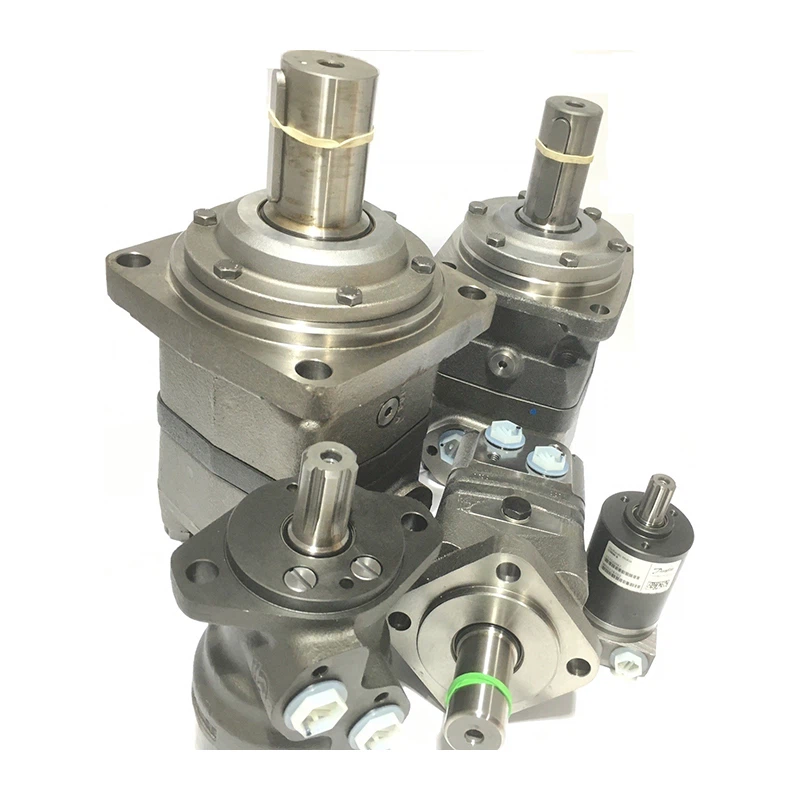

Let's take a closer look at some of the different types of orbital motors and how their reverse operation ability works.
Orbital Steering Motor
The Orbital Steering Motor is a specialized type of orbital motor used primarily for steering applications. In a vehicle or machinery, the steering motor needs to be able to rotate in both directions to turn the wheels left or right. The reverse operation ability of an orbital steering motor is essential for smooth and precise steering control.
These motors are designed with a high - precision valve system that can quickly and accurately reverse the flow of hydraulic fluid. This ensures that the steering response is immediate and that the operator has full control over the direction of the vehicle.
Orbital Hydraulic Steering Motor
The Orbital Hydraulic Steering Motor is similar to the orbital steering motor but is specifically designed to work with hydraulic steering systems. These motors are often used in larger vehicles and heavy - duty machinery, where the steering forces are greater.
The reverse operation of an orbital hydraulic steering motor is carefully calibrated to provide the right amount of torque in both directions. This ensures that the steering is not only responsive but also safe and reliable, even under heavy loads.
Steering Orbital Motor
The Steering Orbital Motor is another type of motor used for steering purposes. It combines the features of an orbital motor with the requirements of a steering system. The reverse operation ability of this motor is critical for maintaining the stability and control of the vehicle during steering maneuvers.
When it comes to the performance of the reverse operation in orbital motors, there are a few factors to consider. One of the most important is the torque output. The motor needs to be able to generate sufficient torque in the reverse direction to perform the required tasks. This is especially important in applications where the load is heavy or the resistance is high.
Another factor is the speed of the reverse operation. The motor should be able to reverse its rotation quickly and smoothly without any jerks or delays. This is crucial for the safety and efficiency of the equipment.
As a supplier of orbital motors, I understand the importance of providing high - quality motors with excellent reverse operation ability. We work hard to ensure that our motors are designed and manufactured to the highest standards. We use the latest technology and materials to improve the performance and reliability of our products.
If you're in the market for an orbital motor with great reverse operation ability, we've got you covered. Our range of orbital motors is suitable for a wide variety of applications, and we can help you find the perfect motor for your specific needs. Whether you're looking for an orbital steering motor, an orbital hydraulic steering motor, or a steering orbital motor, we have the expertise and the products to meet your requirements.
So, if you're interested in learning more about our orbital motors or if you're ready to make a purchase, don't hesitate to get in touch. We're here to answer all your questions and to assist you in the procurement process. You can reach out to us, and we'll be happy to start a discussion about your needs and how our orbital motors can benefit your operations.
In conclusion, the reverse operation ability of orbital motors is a crucial feature that offers increased versatility, efficiency, and control in a wide range of applications. Whether you're in the agricultural, construction, industrial, or marine sector, having a reliable orbital motor with good reverse operation can make a big difference in the performance of your equipment.
References
- Hydraulic Motor Handbook
- Orbital Motor Design and Application Guide