

What is the minimum pressure of a piston motor?
Hey there! As a piston motor supplier, I often get asked about the minimum pressure of a piston motor. It's a crucial topic, especially for those who are in the market for a reliable and efficient piston motor. So, let's dive right in and explore what the minimum pressure of a piston motor really means.
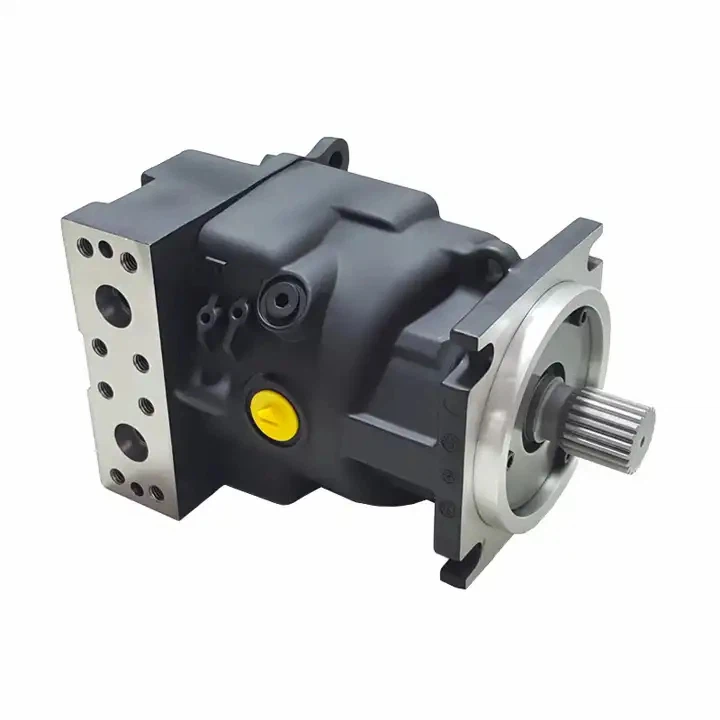
First off, what exactly is a piston motor? Well, a piston motor is a type of hydraulic motor that converts hydraulic pressure and flow into mechanical torque and rotation. There are two main types: radial piston hydraulic motors and axial piston motors. You can learn more about them by checking out these links: Radial Piston Hydraulic Motor and Axial Piston Motor. And if you want a general overview of hydraulic piston motors, click here: Hydraulic Piston Motor.
Now, let's talk about the minimum pressure. The minimum pressure of a piston motor is the lowest hydraulic pressure at which the motor can start and operate smoothly. This pressure is essential because if the pressure is too low, the motor might not be able to generate enough torque to start rotating or to keep running under load.
There are several factors that can affect the minimum pressure of a piston motor. One of the main factors is the design of the motor itself. Different piston motor designs have different internal friction and leakage characteristics. For example, a radial piston motor might have a different minimum pressure requirement compared to an axial piston motor due to their distinct structural features.
Another factor is the viscosity of the hydraulic fluid. Hydraulic fluid with higher viscosity can create more resistance within the motor, which means a higher minimum pressure might be needed to overcome this resistance and get the motor moving. On the other hand, if the fluid is too thin, there could be more leakage, which also affects the motor's performance at low pressures.
The load on the motor also plays a significant role. A motor that has to drive a heavy load will typically require a higher minimum pressure to start and maintain operation. This is because more torque is needed to move the load, and the hydraulic pressure is what generates that torque.
So, how do you determine the minimum pressure for a specific piston motor? Well, most manufacturers provide this information in the motor's technical specifications. These specs usually include the minimum starting pressure and the minimum operating pressure under different conditions. It's really important to refer to these specs when selecting a piston motor for your application.
If you try to operate a piston motor below its minimum pressure, you might run into some problems. For instance, the motor might not start at all. Or, if it does start, it could run erratically, with uneven rotation or reduced power output. Over time, operating at low pressures can also cause excessive wear on the motor's internal components, leading to premature failure.
Let's take a look at some real - world examples. In a construction equipment application, such as a small excavator, the piston motors are used to drive the tracks and operate the boom. If the hydraulic pressure is below the minimum required for the piston motors, the excavator might not be able to move forward or backward smoothly, or the boom might not lift or lower properly.
In an industrial setting, say a conveyor belt system driven by a piston motor, low pressure can cause the conveyor to stop or move at an inconsistent speed. This can disrupt the entire production process and lead to lost productivity.
As a piston motor supplier, I've seen many customers make the mistake of not paying enough attention to the minimum pressure requirements. They might choose a motor based on other factors like price or size, without considering whether the hydraulic system they have can provide the necessary minimum pressure. This often results in dissatisfaction and additional costs for repairs or motor replacements.
So, when you're in the market for a piston motor, here are some tips. First, carefully assess your application's requirements. Figure out the load that the motor will have to handle and the operating conditions. Then, check the technical specs of different piston motors to find one that has a minimum pressure requirement that matches your hydraulic system's capabilities.

It's also a good idea to consult with a hydraulic expert or with us, the piston motor supplier. We have the knowledge and experience to help you select the right motor for your needs. We can also provide advice on how to ensure that your hydraulic system can maintain the required minimum pressure.
In conclusion, understanding the minimum pressure of a piston motor is crucial for its proper operation and longevity. By considering all the factors that affect the minimum pressure, referring to the manufacturer's specs, and making an informed selection, you can ensure that your piston motor performs at its best.
If you're looking for a high - quality piston motor and need help with understanding the minimum pressure requirements for your application, don't hesitate to reach out. We're here to assist you in finding the perfect piston motor solution for your needs. Whether you need a radial piston motor or an axial piston motor, we've got you covered. Let's have a chat and start the process of getting you the right motor for your project.
References
- Hydraulic Piston Motor Handbook, Industry Standard Publication
- Manufacturer's Technical Documentation for Piston Motors