

What is the maximum speed of an Orbital Steering Motor?
As a leading supplier of Orbital Steering Motors, I often encounter questions from customers regarding the maximum speed of these motors. Understanding the maximum speed is crucial as it directly impacts the performance and efficiency of various applications where these motors are used. In this blog, I will delve into the factors that determine the maximum speed of an Orbital Steering Motor and provide some insights into how to optimize its performance.
Understanding Orbital Steering Motors
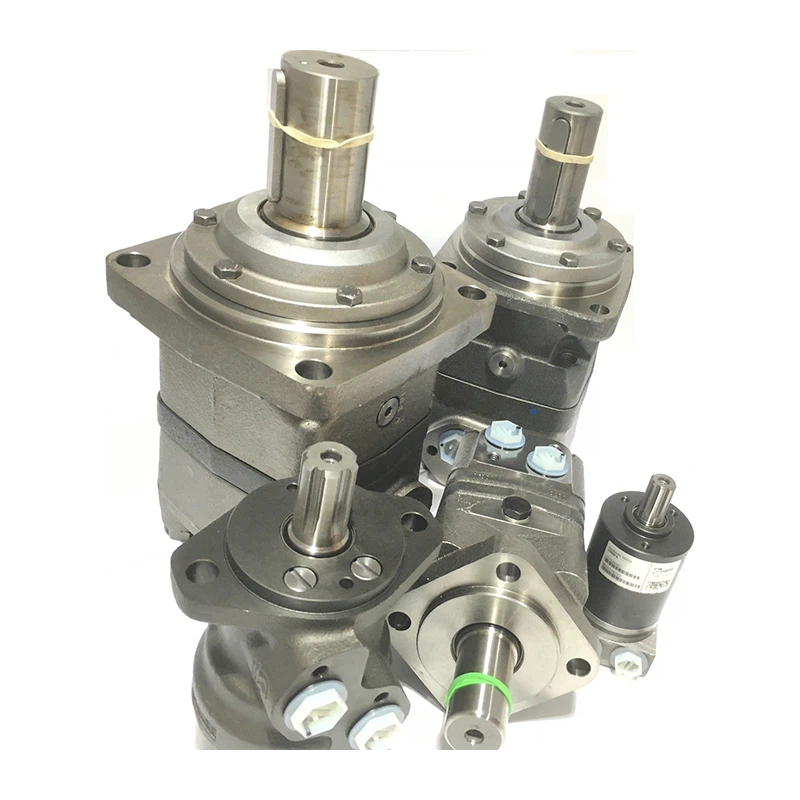
Before we discuss the maximum speed, let's briefly understand what an Orbital Steering Motor is. An Orbital Steering Motor is a type of hydraulic motor that converts hydraulic energy into mechanical energy. It is commonly used in steering systems of various vehicles and machinery, such as forklifts, tractors, and construction equipment. These motors are known for their compact size, high torque output, and precise control, making them ideal for applications that require smooth and accurate steering.
Factors Affecting the Maximum Speed
The maximum speed of an Orbital Steering Motor is influenced by several factors, including:

1. Design and Construction
The design and construction of the motor play a significant role in determining its maximum speed. Factors such as the number of lobes in the gerotor set, the size of the displacement chamber, and the quality of the internal components can all affect the motor's speed capabilities. Motors with a higher number of lobes generally have a smoother operation and can achieve higher speeds. Additionally, motors with a larger displacement chamber can handle more fluid flow, which can also contribute to higher speeds.
2. Hydraulic Fluid Properties
The properties of the hydraulic fluid used in the motor can also impact its maximum speed. The viscosity of the fluid affects the flow rate and the internal friction within the motor. A fluid with too high a viscosity can cause excessive pressure drop and reduce the motor's speed, while a fluid with too low a viscosity can lead to leakage and reduced efficiency. It is important to use a hydraulic fluid that is recommended by the motor manufacturer to ensure optimal performance.
3. Pressure and Flow Rate
The pressure and flow rate of the hydraulic system are crucial factors in determining the maximum speed of the motor. The motor requires a certain amount of pressure and flow to operate at its maximum speed. If the pressure is too low, the motor may not be able to generate enough torque to overcome the load, and if the flow rate is too low, the motor may not be able to rotate at its maximum speed. It is important to ensure that the hydraulic system is properly sized and configured to provide the required pressure and flow rate for the motor.
4. Load and Application
The load and application of the motor also affect its maximum speed. Motors that are used in applications with heavy loads or high inertia may not be able to achieve their maximum speed due to the additional torque required to overcome the load. Additionally, the type of application, such as continuous operation or intermittent operation, can also impact the motor's speed capabilities.
Determining the Maximum Speed
To determine the maximum speed of an Orbital Steering Motor, it is important to refer to the motor's specifications provided by the manufacturer. The specifications typically include the maximum speed rating, which is the highest speed at which the motor can operate continuously without causing damage. It is important to note that the maximum speed rating is based on specific operating conditions, such as a certain pressure, flow rate, and temperature.
In addition to the maximum speed rating, the manufacturer may also provide a speed-torque curve for the motor. This curve shows the relationship between the motor's speed and torque at different operating conditions. By referring to the speed-torque curve, you can determine the maximum speed at which the motor can operate while still providing the required torque for your application.
Optimizing the Performance
To optimize the performance of an Orbital Steering Motor and achieve its maximum speed, it is important to follow these tips:
1. Proper Installation and Maintenance
Ensure that the motor is properly installed and maintained according to the manufacturer's instructions. This includes using the correct mounting hardware, aligning the motor properly, and regularly checking and changing the hydraulic fluid.
2. Correct Sizing of the Hydraulic System
Make sure that the hydraulic system is properly sized to provide the required pressure and flow rate for the motor. This may involve selecting the appropriate pump, valves, and hoses.
3. Use of High-Quality Components
Use high-quality hydraulic components, such as filters, seals, and fittings, to ensure reliable operation and prevent leaks.
4. Monitoring and Adjustment
Regularly monitor the motor's performance and make any necessary adjustments to the hydraulic system to ensure that it is operating at its optimal level. This may involve adjusting the pressure, flow rate, or other parameters.
Conclusion
In conclusion, the maximum speed of an Orbital Steering Motor is determined by several factors, including design and construction, hydraulic fluid properties, pressure and flow rate, and load and application. By understanding these factors and following the tips provided in this blog, you can optimize the performance of your motor and achieve its maximum speed. If you have any further questions or need assistance in selecting the right Orbital Steering Motor for your application, please feel free to contact us. We are a leading supplier of Steering Orbital Motor and Orbital Hydraulic Steering Motor, and we are committed to providing our customers with high-quality products and excellent service.
References
- Manufacturer's specifications and technical documentation
- Hydraulic engineering textbooks and references
- Industry standards and guidelines