

What is the maintenance cost of orbital motors?
What is the maintenance cost of orbital motors?
As a supplier of orbital motors, I've had numerous discussions with customers about the various aspects of these motors, and one question that frequently comes up is about the maintenance cost. Understanding the maintenance cost of orbital motors is crucial for businesses and individuals alike, as it directly impacts the overall operational budget and the long - term viability of using these motors in different applications.
Orbital motors are widely used in various industries, such as construction, agriculture, and material handling. Their compact design, high torque output, and ability to operate at low speeds make them an ideal choice for many hydraulic systems. However, like any mechanical device, they require regular maintenance to ensure optimal performance and longevity.
Factors Affecting Maintenance Cost
1. Wear and Tear
The most significant factor contributing to the maintenance cost of orbital motors is wear and tear. These motors have moving parts that are constantly in contact with each other, and over time, this friction can cause the components to degrade. For example, the gerotor set, which is a key part of the orbital motor, can experience wear on its teeth. As the teeth wear down, the motor's efficiency decreases, and it may start to produce less torque. This can lead to increased energy consumption and potentially cause damage to other parts of the hydraulic system.
To mitigate the effects of wear and tear, regular inspection and replacement of worn - out parts are necessary. The cost of replacement parts can vary depending on the make and model of the orbital motor. For some high - end models, the cost of a new gerotor set can be relatively high, which directly adds to the maintenance cost.
2. Contamination
Contamination in the hydraulic fluid is another major factor that affects the maintenance cost of orbital motors. Dust, dirt, and other particles can enter the hydraulic system, either through leaks or during the filling process. These contaminants can cause abrasion on the internal components of the motor, leading to premature wear.
Moreover, water contamination can also be a problem. Water can cause corrosion in the motor, which can damage the metal parts and reduce the motor's performance. To prevent contamination, it is essential to use high - quality hydraulic filters and to regularly change the hydraulic fluid. The cost of filters and fluid replacement should be factored into the overall maintenance cost.
3. Operating Conditions
The operating conditions of the orbital motor also play a significant role in determining the maintenance cost. Motors that are used in harsh environments, such as in construction sites with a lot of dust and debris, or in agricultural applications where they are exposed to moisture and chemicals, will require more frequent maintenance.
High - load operations can also put additional stress on the motor, causing faster wear and tear. For example, if an orbital motor is constantly operating at its maximum capacity, the internal components will experience more stress, and the risk of failure is higher. In such cases, more frequent inspections and potential part replacements are needed, which increase the maintenance cost.
Calculating the Maintenance Cost
To calculate the maintenance cost of an orbital motor, you need to consider several components. First, there is the cost of replacement parts. As mentioned earlier, parts such as gerotor sets, seals, and bearings may need to be replaced over time. You can obtain the cost of these parts from the motor manufacturer or authorized dealers.
Second, the cost of labor should be considered. If you don't have the expertise to perform maintenance tasks yourself, you will need to hire a professional technician. The labor cost can vary depending on the complexity of the maintenance task and the hourly rate of the technician.
Third, the cost of hydraulic fluid and filters should be factored in. The frequency of fluid and filter changes depends on the operating conditions and the manufacturer's recommendations.
Let's take a simple example. Suppose you have an orbital motor that requires a gerotor set replacement every two years, and the cost of the gerotor set is $500. The motor also needs a hydraulic fluid change and filter replacement every six months, with the cost of fluid and filter totaling $100 each time. If you hire a technician to perform these tasks, and the labor cost for each service is $200, then the annual maintenance cost can be calculated as follows:
Gerotor set replacement cost per year: $500 / 2 = $250
Hydraulic fluid and filter replacement cost per year: $100 x 2 = $200
Labor cost per year: $200 x 2 = $400
Total annual maintenance cost = $250 + $200+ $400 = $850
Reducing the Maintenance Cost
There are several ways to reduce the maintenance cost of orbital motors. First, proper installation is crucial. A poorly installed motor can cause uneven stress on the components, leading to faster wear and tear. Make sure to follow the manufacturer's installation instructions carefully.
Second, regular inspection is essential. By detecting problems early, you can prevent more significant damage and reduce the cost of repairs. You can perform visual inspections to check for leaks, signs of wear, and contamination. Additionally, using diagnostic tools to monitor the motor's performance can help you identify potential issues before they become serious.
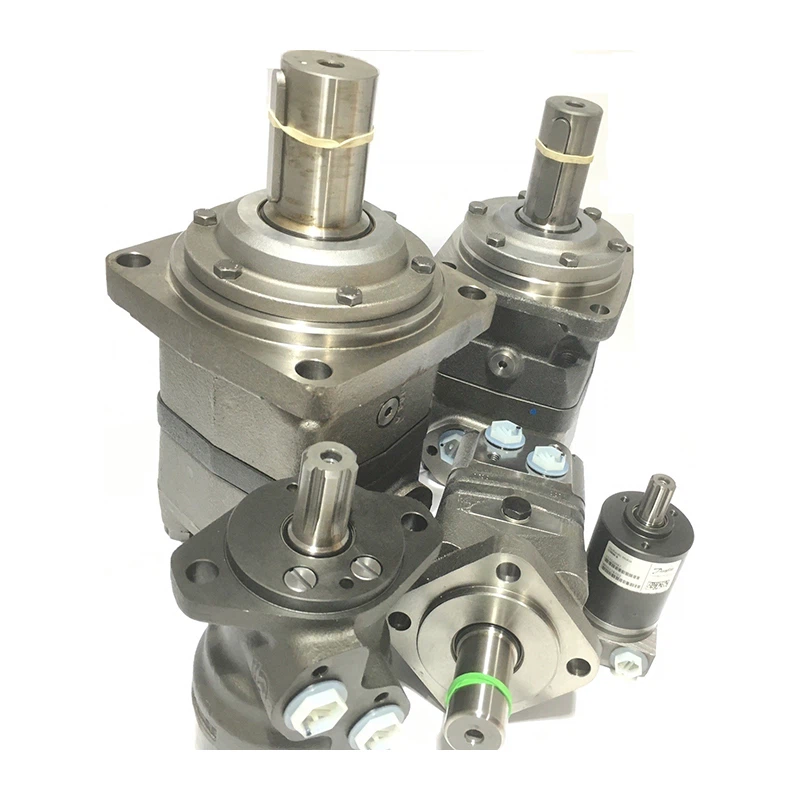

Third, using high - quality hydraulic fluid and filters can significantly reduce the risk of contamination. High - quality fluid has better lubrication properties and can resist oxidation and foaming, which helps to protect the internal components of the motor.
Different Types of Orbital Motors and Their Maintenance Costs
There are several types of orbital motors available in the market, such as Orbital Hydraulic Steering Motor, Orbital Steering Motor, and Steering Orbital Motor. Each type has its own characteristics and maintenance requirements.
Orbital hydraulic steering motors are commonly used in vehicles for steering control. These motors need to be highly reliable, as any failure can pose a safety risk. The maintenance cost of these motors may be relatively high due to the strict safety standards and the need for precise performance.
Orbital steering motors, on the other hand, are often used in industrial applications. They may have different operating conditions compared to hydraulic steering motors, and their maintenance cost can vary depending on the specific application.
Steering orbital motors are designed specifically for steering systems. They typically have a compact design and need to be maintained to ensure smooth steering operation. The maintenance cost of these motors will depend on factors such as the quality of the components and the frequency of use.
Conclusion
In conclusion, the maintenance cost of orbital motors is influenced by various factors, including wear and tear, contamination, and operating conditions. By understanding these factors and taking appropriate measures to reduce the maintenance cost, you can ensure the long - term performance and reliability of your orbital motors.
If you are considering purchasing orbital motors or need more information about their maintenance, we are here to help. As a professional orbital motor supplier, we have a wide range of products to meet your needs. We can also provide you with detailed information about maintenance requirements and cost - saving tips. Contact us for further discussions on procurement and to get the best solutions for your hydraulic system.
References
- Manufacturer's manuals of orbital motors
- Industry reports on hydraulic system maintenance
- Technical papers on the performance and maintenance of orbital motors