

What is the impact of the installation orientation on the performance of a hydraulic piston motor?
As a supplier of Hydraulic Piston Motors, I've witnessed firsthand the critical role that installation orientation plays in the performance of these powerful machines. In this blog, I'll delve into the various aspects of how installation orientation impacts the performance of a hydraulic piston motor, drawing on my years of experience in the industry and the latest research in hydraulic technology.
Understanding Hydraulic Piston Motors
Before we explore the impact of installation orientation, it's essential to understand what a Hydraulic Piston Motor is. Hydraulic piston motors are a type of hydraulic actuator that converts hydraulic pressure and flow into mechanical torque and rotation. They are widely used in various industrial applications, including construction equipment, agricultural machinery, and manufacturing processes, due to their high power density, efficiency, and precise control capabilities.
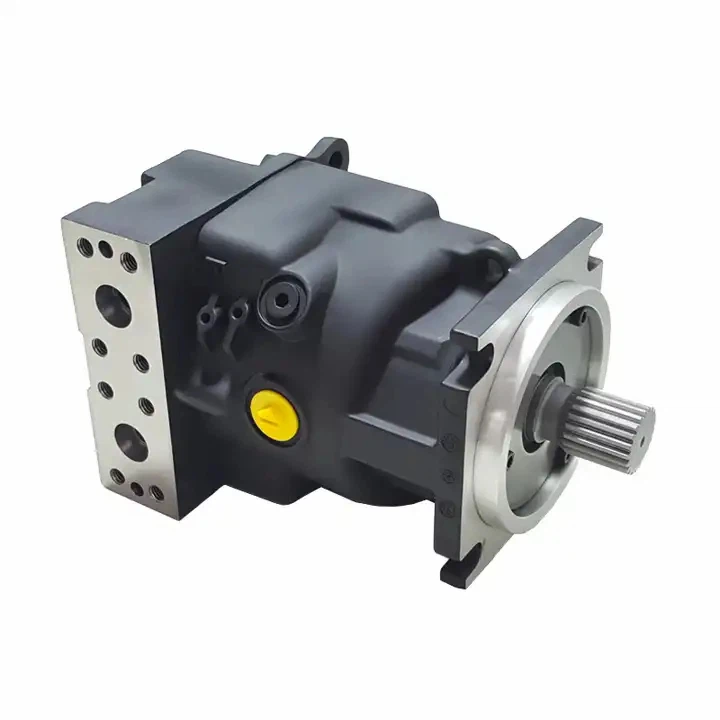
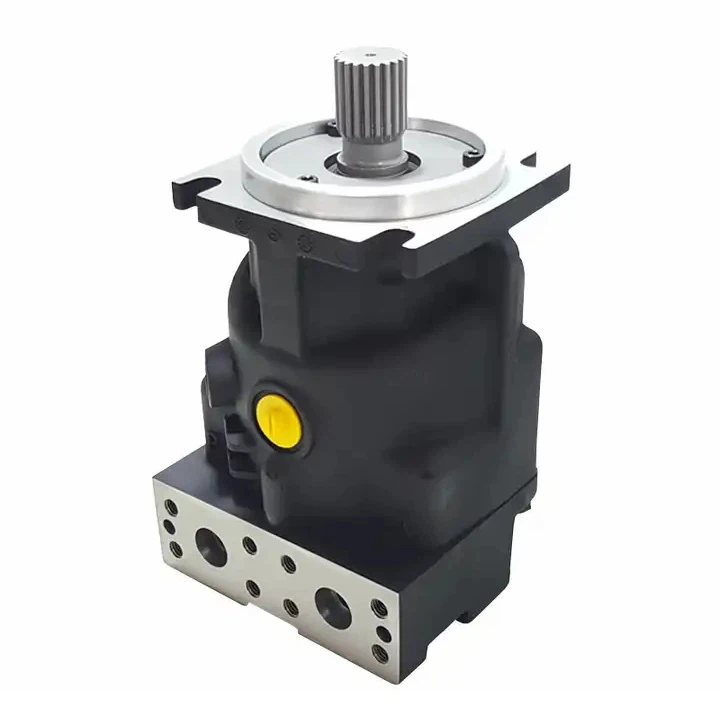
There are two main types of hydraulic piston motors: Axial Piston Motor and Radial Piston Hydraulic Motor. Axial piston motors have pistons arranged parallel to the drive shaft, while radial piston motors have pistons arranged radially around the drive shaft. Each type has its unique characteristics and is suitable for different applications.
Impact of Installation Orientation on Lubrication
One of the most significant impacts of installation orientation on the performance of a hydraulic piston motor is on lubrication. Proper lubrication is crucial for reducing friction and wear between moving parts, ensuring smooth operation, and extending the motor's lifespan. The installation orientation can affect the distribution of lubricating oil within the motor, which in turn can impact its lubrication efficiency.
In a vertically installed hydraulic piston motor, gravity can cause the lubricating oil to accumulate at the bottom of the motor. This can lead to insufficient lubrication of the upper parts of the motor, increasing the risk of wear and damage. On the other hand, in a horizontally installed motor, the lubricating oil can be more evenly distributed, providing better lubrication to all moving parts.
However, it's important to note that some hydraulic piston motors are designed to operate in specific orientations and may have built-in features to ensure proper lubrication regardless of the installation position. For example, some motors may have oil channels or pumps that help circulate the lubricating oil throughout the motor, even in a vertical installation.
Impact on Cooling
Another important factor affected by installation orientation is cooling. Hydraulic piston motors generate heat during operation, and effective cooling is essential to prevent overheating and maintain optimal performance. The installation orientation can impact the motor's ability to dissipate heat, which can affect its cooling efficiency.
In a vertically installed motor, heat can rise and accumulate at the top of the motor, making it more difficult for the motor to dissipate heat. This can lead to higher operating temperatures, which can reduce the motor's efficiency and lifespan. In contrast, a horizontally installed motor may have better heat dissipation characteristics, as heat can be more evenly distributed and dissipated through the motor's housing.
To mitigate the impact of installation orientation on cooling, some hydraulic piston motors are equipped with cooling fins or fans to enhance heat dissipation. Additionally, proper ventilation and the use of a suitable hydraulic fluid with good thermal properties can also help improve the motor's cooling performance.
Impact on Seal Performance
The installation orientation can also have a significant impact on the performance of the seals in a hydraulic piston motor. Seals are used to prevent hydraulic fluid from leaking out of the motor and to keep contaminants from entering the motor. The orientation of the motor can affect the pressure distribution on the seals, which can impact their sealing effectiveness.
In a vertically installed motor, the weight of the hydraulic fluid can create additional pressure on the lower seals, increasing the risk of leakage. On the other hand, in a horizontally installed motor, the pressure distribution on the seals may be more uniform, reducing the risk of leakage.
To ensure proper seal performance, it's important to select seals that are suitable for the specific installation orientation and operating conditions of the motor. Additionally, regular inspection and maintenance of the seals can help detect and prevent potential leakage issues.
Impact on Noise and Vibration
Installation orientation can also affect the noise and vibration levels of a hydraulic piston motor. Noise and vibration can be caused by various factors, including the imbalance of moving parts, the flow of hydraulic fluid, and the interaction between the motor and its mounting surface. The orientation of the motor can impact these factors, which can affect the noise and vibration levels.
In a vertically installed motor, the weight of the moving parts can create additional imbalance, leading to increased vibration and noise. Additionally, the flow of hydraulic fluid in a vertical motor may be more turbulent, which can also contribute to increased noise levels. In contrast, a horizontally installed motor may have better balance and smoother fluid flow, resulting in lower noise and vibration levels.
To reduce noise and vibration, it's important to ensure proper alignment and mounting of the motor. Additionally, the use of vibration dampers or isolators can help absorb and reduce the transmission of vibration to the surrounding equipment.
Considerations for Installation Orientation
When installing a hydraulic piston motor, it's important to consider several factors to ensure optimal performance. Here are some key considerations:
- Manufacturer's Recommendations: Always follow the manufacturer's recommendations regarding the installation orientation of the motor. The manufacturer has extensive knowledge and experience with the motor and can provide specific guidelines to ensure proper installation and operation.
- Application Requirements: Consider the specific requirements of the application, such as the load, speed, and operating conditions. Some applications may require the motor to be installed in a specific orientation to achieve the best performance.
- Lubrication and Cooling: Ensure that the installation orientation allows for proper lubrication and cooling of the motor. If necessary, take additional measures to enhance lubrication and cooling, such as using oil circulation systems or cooling fans.
- Seal Performance: Select seals that are suitable for the installation orientation and operating conditions of the motor. Regularly inspect and maintain the seals to prevent leakage.
- Noise and Vibration: Minimize noise and vibration by ensuring proper alignment and mounting of the motor. Use vibration dampers or isolators if necessary.
Conclusion
In conclusion, the installation orientation of a hydraulic piston motor can have a significant impact on its performance, including lubrication, cooling, seal performance, and noise and vibration levels. As a supplier of Hydraulic Piston Motors, I understand the importance of proper installation and orientation to ensure optimal performance and reliability.
When selecting and installing a hydraulic piston motor, it's crucial to consider the specific requirements of the application and follow the manufacturer's recommendations. By doing so, you can maximize the motor's efficiency, lifespan, and overall performance.
If you're in the market for a hydraulic piston motor or have any questions about installation orientation or performance, I encourage you to contact us for more information. Our team of experts is here to help you select the right motor for your application and provide you with the support and guidance you need to ensure a successful installation.
References
- Fluid Power Handbook, edited by the International Fluid Power Society.
- Hydraulic Piston Motor Design and Application Guide, published by a leading hydraulic equipment manufacturer.