

What cleaning agents are suitable for a sanitary gear pump?
As a supplier of Sanitary Gear Pumps, I understand the critical importance of maintaining the cleanliness and hygiene of these pumps. Sanitary gear pumps are widely used in industries such as food and beverage, pharmaceuticals, and cosmetics, where product purity and safety are of utmost concern. Selecting the right cleaning agents is essential to ensure the proper functioning and longevity of the pumps, as well as to meet strict industry regulations. In this blog post, I will discuss the various types of cleaning agents suitable for sanitary gear pumps and provide some guidelines on their proper use.
Understanding the Requirements of Sanitary Gear Pumps
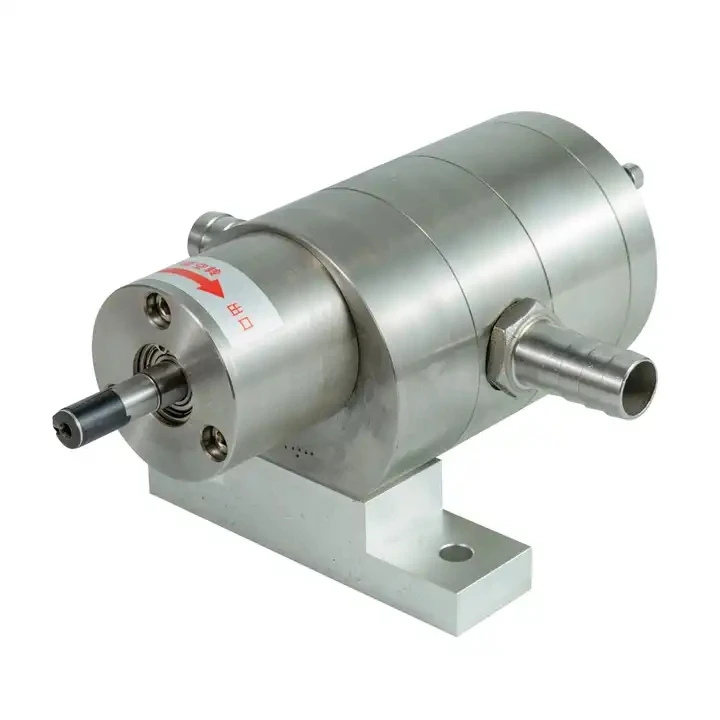
Sanitary gear pumps are designed to handle fluids in a hygienic manner, with minimal risk of contamination. They are typically made from high-quality materials such as stainless steel, which is resistant to corrosion and easy to clean. However, over time, residues from the pumped fluids can accumulate inside the pump, leading to reduced performance, increased wear and tear, and potential contamination of the product.
To maintain the sanitary conditions of the pump, regular cleaning and disinfection are necessary. The cleaning process should not only remove visible dirt and debris but also eliminate any microorganisms that may be present. This requires the use of appropriate cleaning agents that are effective against a wide range of contaminants while being safe for use with the pump materials and the pumped fluids.
Types of Cleaning Agents for Sanitary Gear Pumps
Alkaline Cleaners
Alkaline cleaners are one of the most commonly used cleaning agents for sanitary gear pumps. They are effective in removing organic residues such as fats, oils, proteins, and carbohydrates. Alkaline cleaners work by breaking down the chemical bonds of these contaminants, making them easier to rinse away.
The pH of alkaline cleaners typically ranges from 9 to 14. Higher pH values generally result in more effective cleaning, but they also increase the risk of damage to the pump materials. Therefore, it is important to choose an alkaline cleaner with a pH that is suitable for the specific pump and application.
Some common ingredients in alkaline cleaners include sodium hydroxide (caustic soda), potassium hydroxide, and sodium carbonate. These chemicals are strong bases that can react with acidic contaminants to form water-soluble salts. Alkaline cleaners are often used in combination with surfactants, which help to reduce the surface tension of the cleaning solution and improve its wetting and penetration properties.
Acidic Cleaners
Acidic cleaners are used to remove inorganic residues such as scale, rust, and mineral deposits. They work by dissolving these contaminants through a chemical reaction. Acidic cleaners are particularly useful in applications where the pumped fluids contain high levels of minerals or where the pump is exposed to hard water.
The pH of acidic cleaners typically ranges from 1 to 6. Lower pH values generally result in more effective cleaning, but they also increase the risk of corrosion to the pump materials. Therefore, it is important to choose an acidic cleaner with a pH that is suitable for the specific pump and application.
Some common ingredients in acidic cleaners include hydrochloric acid, phosphoric acid, and citric acid. Hydrochloric acid is a strong acid that is effective in removing heavy scale and rust, but it can be corrosive to some metals. Phosphoric acid is a milder acid that is often used in food and beverage applications because it is less corrosive and can be easily rinsed away. Citric acid is a natural acid that is commonly used in pharmaceutical and cosmetic applications because it is non-toxic and biodegradable.
Disinfectants
Disinfectants are used to kill or inactivate microorganisms such as bacteria, viruses, and fungi. They are an essential part of the cleaning process for sanitary gear pumps, especially in applications where product safety is a top priority.
There are several types of disinfectants available, including chlorine-based disinfectants, quaternary ammonium compounds, and hydrogen peroxide. Chlorine-based disinfectants are effective against a wide range of microorganisms and are commonly used in the food and beverage industry. However, they can be corrosive to some metals and may leave a residual odor. Quaternary ammonium compounds are less corrosive than chlorine-based disinfectants and are often used in pharmaceutical and cosmetic applications. Hydrogen peroxide is a powerful disinfectant that is non-toxic and biodegradable, making it a popular choice for environmentally friendly cleaning.
Enzymatic Cleaners
Enzymatic cleaners contain enzymes that break down specific types of organic contaminants. They are particularly effective in removing protein-based residues such as milk, blood, and egg. Enzymatic cleaners work by catalyzing the chemical reactions that break down the contaminants into smaller, more easily removable molecules.
Enzymatic cleaners are often used in combination with other cleaning agents to enhance their cleaning power. They are typically more expensive than other types of cleaning agents, but they can be very effective in difficult cleaning situations.
Factors to Consider When Choosing Cleaning Agents
When choosing cleaning agents for sanitary gear pumps, several factors need to be considered:
Compatibility with Pump Materials
The cleaning agents should be compatible with the materials used in the pump construction. For example, some cleaning agents may be corrosive to certain metals or plastics, which can lead to damage to the pump components. It is important to consult the pump manufacturer's recommendations or conduct a compatibility test before using a new cleaning agent.
Effectiveness Against Contaminants
The cleaning agents should be effective in removing the specific types of contaminants that are present in the pump. This requires an understanding of the nature of the pumped fluids and the potential sources of contamination. For example, if the pumped fluid contains high levels of fats and oils, an alkaline cleaner may be more effective than an acidic cleaner.
Safety
The cleaning agents should be safe for use in the specific application. This includes considering the potential health risks to the operators, as well as the environmental impact of the cleaning agents. For example, some cleaning agents may be toxic or flammable, and proper safety precautions should be taken when using them.
Cost
The cost of the cleaning agents is also an important consideration. While it is important to choose high-quality cleaning agents that are effective and safe, it is also necessary to balance the cost with the cleaning requirements. In some cases, it may be possible to use a combination of different cleaning agents to achieve the desired cleaning results at a lower cost.
Proper Use of Cleaning Agents
Once the appropriate cleaning agents have been selected, it is important to use them properly to ensure effective cleaning and to avoid damage to the pump. Here are some general guidelines for the proper use of cleaning agents:
Follow the Manufacturer's Instructions
Always follow the manufacturer's instructions for the use of the cleaning agents. This includes the recommended dilution ratios, contact times, and temperature ranges. Deviating from the instructions can result in ineffective cleaning or damage to the pump.
Pre-Rinse the Pump
Before applying the cleaning agents, it is important to pre-rinse the pump with water to remove any loose dirt and debris. This will help to improve the effectiveness of the cleaning agents and reduce the amount of cleaning agent required.

Apply the Cleaning Agents
Apply the cleaning agents to the pump according to the manufacturer's instructions. This may involve soaking the pump in a cleaning solution, circulating the cleaning solution through the pump, or spraying the cleaning solution onto the pump surfaces. Make sure that all parts of the pump are thoroughly cleaned.
Rinse the Pump
After the cleaning agents have been applied and the contact time has elapsed, rinse the pump thoroughly with water to remove any residual cleaning agents. This is especially important for applications where the pumped fluid will come into contact with food or other sensitive products.
Disinfect the Pump
If necessary, disinfect the pump using a suitable disinfectant. Follow the manufacturer's instructions for the use of the disinfectant, including the recommended contact time and concentration.
Dry the Pump
After rinsing and disinfecting, dry the pump thoroughly to prevent the growth of microorganisms. This can be done by air-drying or using a clean, dry cloth.
Conclusion
Choosing the right cleaning agents for sanitary gear pumps is essential to ensure their proper functioning and to maintain the hygiene and safety of the pumped fluids. By understanding the different types of cleaning agents available, the factors to consider when choosing them, and the proper use of cleaning agents, you can effectively clean and maintain your sanitary gear pumps.
If you are in the market for a sanitary gear pump or need more information about cleaning agents for these pumps, please feel free to contact us. We are a leading supplier of [link text="High Pressure Gear Pump" url="/hydraulic-pump/gear-pump/high-pressure-gear-pump.html"], [link text="High Viscosity Gear Pump" url="/hydraulic-pump/gear-pump/high-viscosity-gear-pump.html"], and [link text="Hydraulic Internal Gear Pump" url="/hydraulic-pump/gear-pump/hydraulic-internal-gear-pump.html"], and we are committed to providing our customers with high-quality products and excellent customer service. We look forward to discussing your specific needs and helping you find the right solution for your application.
References
- "Cleaning and Sanitizing in the Food Industry," Food and Agriculture Organization of the United Nations.
- "Selection and Use of Cleaning Agents for Sanitary Equipment," American Society of Mechanical Engineers.
- "Enzymatic Cleaning in the Pharmaceutical Industry," Pharmaceutical Technology.