

What are the shutdown procedures for a sanitary gear pump?
Hey there! As a supplier of sanitary gear pumps, I often get asked about the proper shutdown procedures for these pumps. In this blog post, I'll walk you through the steps to ensure a safe and effective shutdown of your sanitary gear pump.
First off, let's understand why proper shutdown is so important. Sanitary gear pumps are used in a variety of industries, including food and beverage, pharmaceuticals, and cosmetics. These pumps are designed to handle sensitive and often perishable fluids. A proper shutdown helps prevent contamination, damage to the pump, and ensures that the next startup is smooth.
Step 1: Stop the Flow of Fluid
The first thing you need to do when shutting down a sanitary gear pump is to stop the flow of fluid into the pump. This can usually be done by closing the inlet valve. By doing this, you prevent any additional fluid from entering the pump while it's being shut down. This is crucial because if fluid continues to flow into a stopped pump, it can cause damage to the internal components.
Step 2: Turn Off the Power
Once the fluid flow has stopped, it's time to turn off the power supply to the pump. This is a simple but critical step. Make sure you follow the correct procedure for your specific pump model. Some pumps may have a dedicated power switch, while others might be controlled through a control panel. Always double - check that the power is completely off to avoid any accidental startups.
Step 3: Release Pressure
After turning off the power, you need to release any pressure that may have built up in the pump and the connected piping. This can be done by opening a pressure relief valve if your pump is equipped with one. Releasing the pressure slowly helps prevent any sudden surges that could damage the pump or the piping system. It also makes it safer for any maintenance or cleaning work that might follow.
Step 4: Drain the Pump
Next, you'll want to drain the pump of any remaining fluid. This is especially important if the fluid is prone to spoilage or if you plan to store the pump for an extended period. Open the drain valve at the bottom of the pump and let the fluid drain out completely. You may need to use a container to collect the drained fluid for proper disposal.
Step 5: Clean the Pump
Cleaning the pump is a vital part of the shutdown process. Sanitary gear pumps need to be kept clean to maintain their performance and prevent contamination. Use a suitable cleaning solution that is compatible with the materials of the pump. You can use a brush or a cleaning wand to reach all the internal parts of the pump. Pay special attention to the gears, as they are the heart of the pump and can accumulate debris.
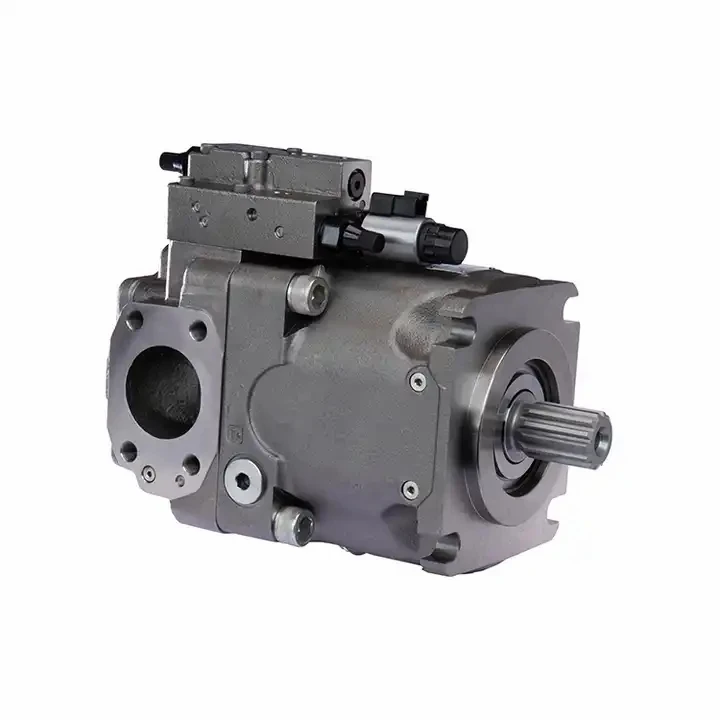

Step 6: Inspect the Pump
Once the pump is clean, it's a good time to inspect it for any signs of wear or damage. Check the gears for any signs of tooth wear, cracks, or chips. Examine the seals to make sure they are intact and not leaking. Look at the bearings for any signs of excessive play or damage. Catching any issues early can save you a lot of time and money in the long run.
Step 7: Store the Pump Properly
If you're not going to use the pump for a while, you need to store it properly. Make sure the pump is dry before storing it. You can use a protective cover to prevent dust and debris from getting into the pump. Store the pump in a cool, dry place away from direct sunlight and extreme temperatures.
Now, let's talk a bit about different types of gear pumps. If you're interested in a Tandem Gear Pump, it offers a unique design that can provide higher flow rates and pressures. A Small Gear Pump for Oil is perfect for applications where space is limited and you need to handle oil - based fluids. And if you're looking for more flexibility, an External and Internal Gear Pump can be a great choice as it combines the advantages of both external and internal gear designs.
In conclusion, following these shutdown procedures for your sanitary gear pump is essential for its longevity and performance. If you have any questions about these procedures or are interested in purchasing a sanitary gear pump, feel free to reach out. We're here to help you make the best choice for your specific needs. Whether you're in the food industry, pharmaceuticals, or any other sector that requires sanitary pumping solutions, we've got you covered.
References
- "Handbook of Pump Technology"
- Industry standards for sanitary pump operation and maintenance.