

What are the flow control methods for a gear pump and motor?
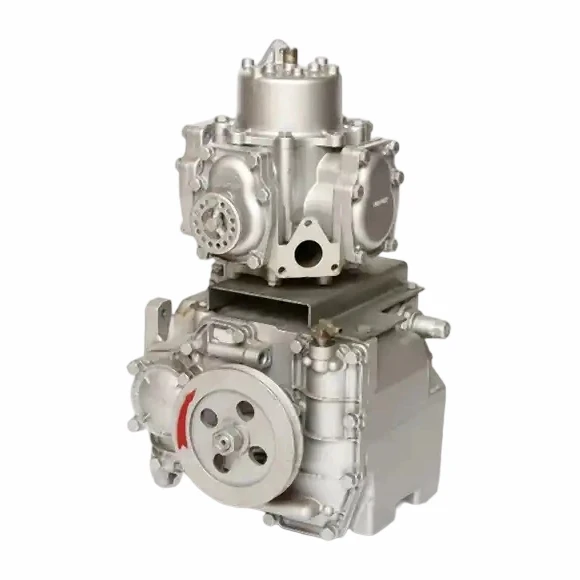
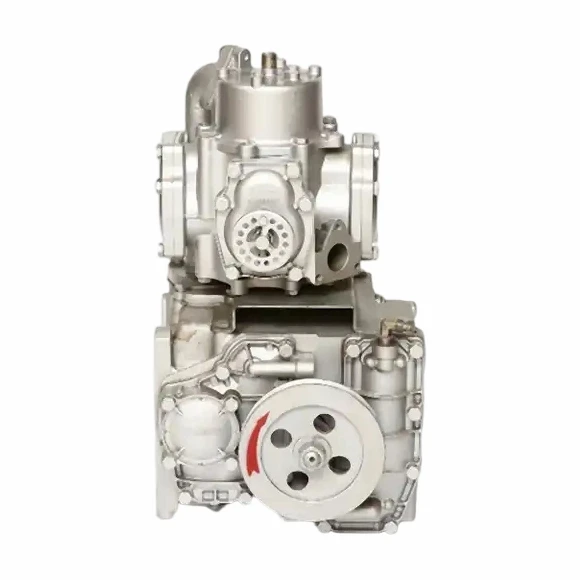
Hey there! As a supplier of Gear Pump and Motor, I'm super stoked to chat with you about the flow control methods for these nifty devices. Gear pumps and motors are widely used in various industries, from automotive to manufacturing, and getting a good handle on flow control is crucial for their optimal performance.
Let's start by understanding the basics. A gear pump works by using the meshing of gears to transfer fluid. As the gears rotate, they create a vacuum at the inlet, which draws in the fluid. The fluid is then trapped between the teeth of the gears and transported to the outlet. A gear motor, on the other hand, converts hydraulic energy into mechanical energy. It's essentially the reverse of a gear pump.
Now, let's dive into the different flow control methods.
Throttle Control
Throttle control is one of the most common methods for regulating flow in a gear pump and motor system. In this method, a throttle valve is used to restrict the flow of fluid. By adjusting the opening of the valve, you can increase or decrease the amount of fluid that passes through, thus controlling the flow rate.
The advantage of throttle control is its simplicity. It's easy to implement and doesn't require a lot of complex components. However, it also has its drawbacks. Throttle control can cause energy loss in the form of heat, as the restricted flow creates pressure drop. This can lead to inefficiencies in the system, especially if the throttle valve is set to a very small opening for an extended period.
Bypass Control
Another popular flow control method is bypass control. With bypass control, a portion of the fluid is diverted from the main flow path through a bypass line. This bypass line is equipped with a valve that can be adjusted to control the amount of fluid that is diverted.
The main benefit of bypass control is that it can maintain a relatively constant pressure in the system, even when the flow rate changes. This is because the excess fluid is diverted through the bypass line, preventing a build - up of pressure. However, like throttle control, bypass control also results in energy loss, as the diverted fluid still requires energy to be pumped.
Variable Displacement Control
Variable displacement control offers a more efficient way to control flow. In a gear pump or motor with variable displacement, the volume of fluid displaced per revolution can be adjusted. This is typically achieved by changing the geometry of the pumping chamber, such as by using a movable side plate or a variable - pitch gear design.
The advantage of variable displacement control is that it can match the flow rate to the actual demand of the system, which reduces energy consumption. When the system requires less flow, the displacement can be decreased, and when more flow is needed, the displacement can be increased. This makes variable displacement gear pumps and motors ideal for applications where the flow requirements vary widely.
Pressure - Compensated Control
Pressure - compensated control is a type of flow control that adjusts the flow rate based on the system pressure. A pressure - compensated valve is used to sense the pressure in the system and automatically adjust the flow rate to maintain a constant pressure.
This method is great for applications where a constant pressure is required, such as in hydraulic cylinders. It ensures that the system operates smoothly and efficiently, regardless of changes in the load or flow demand.
Now, let's talk about the types of gear pumps we offer. We have a wide range of options, including the Micropump Gear Pump. This pump is perfect for applications that require precise and accurate fluid transfer, such as in medical devices or laboratory equipment.
Our Fuel Gear Pump is designed specifically for fuel delivery systems. It's built to handle the demands of high - pressure fuel transfer, ensuring reliable and efficient operation in automotive and industrial engines.
And if you're looking for a pump that can prime itself, our Self Priming Gear Pump is the way to go. It's capable of drawing fluid into the pump without the need for an external priming mechanism, making it ideal for applications where the pump may be located above the fluid level.
In conclusion, choosing the right flow control method for your gear pump and motor system depends on several factors, such as the application requirements, energy efficiency goals, and budget. Each method has its own pros and cons, and it's important to carefully evaluate them to find the best solution for your needs.
If you're in the market for a gear pump or motor, or if you have any questions about flow control methods, don't hesitate to reach out. We're here to help you make the right choice and ensure that your system operates at its best. Let's have a chat about your specific requirements and see how we can assist you in getting the most out of your gear pump and motor setup.
References
- Fluid Power Control Handbook, various authors
- Hydraulic Systems Design and Analysis, industry experts