

How to protect a sanitary gear pump from corrosion?
Corrosion is a persistent threat to the performance and longevity of sanitary gear pumps. As a leading supplier of sanitary gear pumps, we understand the importance of protecting these vital components from the damaging effects of corrosion. In this blog post, we will explore the various factors that contribute to corrosion in sanitary gear pumps and provide practical strategies for preventing and mitigating its impact.
Understanding Corrosion in Sanitary Gear Pumps
Corrosion is a natural process that occurs when metals react with their environment. In the context of sanitary gear pumps, corrosion can be caused by a variety of factors, including:
- Chemical Exposure: Sanitary gear pumps are often used in applications where they come into contact with corrosive chemicals, such as acids, alkalis, and salts. These chemicals can react with the metal surfaces of the pump, causing them to corrode over time.
- High Temperatures: Elevated temperatures can accelerate the corrosion process by increasing the rate of chemical reactions. In addition, high temperatures can cause the metal to expand and contract, which can lead to stress fractures and other forms of damage.
- Moisture: Moisture is a common cause of corrosion in sanitary gear pumps. When water comes into contact with metal, it can form a thin layer of electrolyte that allows for the flow of electrical current. This current can cause the metal to corrode, especially if it is exposed to oxygen or other oxidizing agents.
- Mechanical Stress: Sanitary gear pumps are subject to mechanical stress during operation, which can cause the metal to deform and crack. These cracks can provide a pathway for corrosive agents to penetrate the metal, leading to accelerated corrosion.
Types of Corrosion in Sanitary Gear Pumps
There are several different types of corrosion that can occur in sanitary gear pumps, including:
- Uniform Corrosion: Uniform corrosion is the most common type of corrosion in sanitary gear pumps. It occurs when the entire surface of the metal is exposed to a corrosive environment, causing it to gradually wear away.
- Pitting Corrosion: Pitting corrosion is a localized form of corrosion that occurs when small pits or holes form on the surface of the metal. These pits can penetrate deep into the metal, causing it to weaken and eventually fail.
- Crevice Corrosion: Crevice corrosion occurs in narrow gaps or crevices between two metal surfaces. These areas can trap moisture and other corrosive agents, creating a highly corrosive environment that can cause the metal to corrode rapidly.
- Galvanic Corrosion: Galvanic corrosion occurs when two different metals are in contact with each other in the presence of an electrolyte. The more reactive metal will corrode preferentially, while the less reactive metal will remain relatively unaffected.
Strategies for Protecting Sanitary Gear Pumps from Corrosion
To protect sanitary gear pumps from corrosion, it is important to implement a comprehensive corrosion prevention program. This program should include the following strategies:
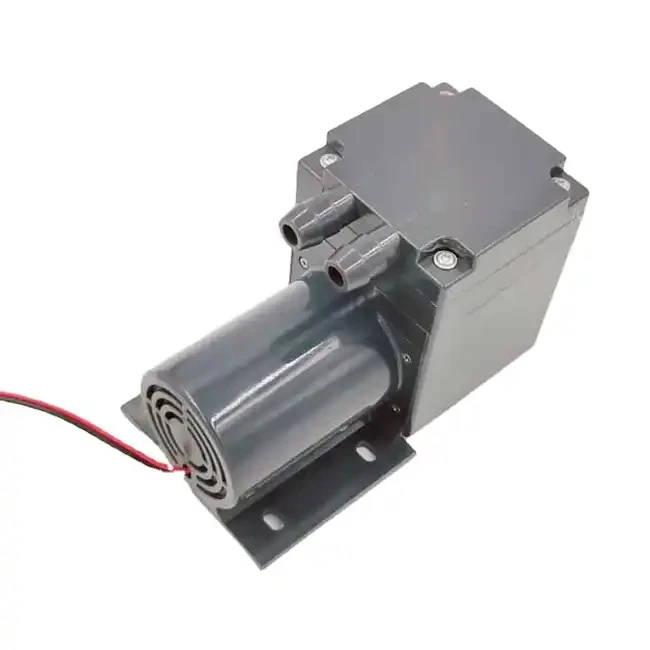

- Material Selection: The choice of materials is critical in preventing corrosion in sanitary gear pumps. When selecting materials for the pump, it is important to consider the chemical properties of the fluid being pumped, as well as the operating conditions of the pump. For example, stainless steel is a popular choice for sanitary gear pumps because it is resistant to corrosion and can withstand high temperatures and pressures.
- Surface Treatment: Surface treatment can be used to improve the corrosion resistance of sanitary gear pumps. Common surface treatments include passivation, which involves treating the metal surface with a chemical solution to remove any contaminants and create a protective oxide layer, and coating, which involves applying a protective layer of paint or other material to the metal surface.
- Proper Installation: Proper installation is essential in preventing corrosion in sanitary gear pumps. When installing the pump, it is important to ensure that it is properly aligned and supported, and that all connections are tight and leak-free. In addition, it is important to avoid installing the pump in areas where it will be exposed to moisture or other corrosive agents.
- Regular Maintenance: Regular maintenance is crucial in preventing corrosion in sanitary gear pumps. This includes inspecting the pump regularly for signs of corrosion, such as rust or discoloration, and cleaning and lubricating the pump as needed. In addition, it is important to replace any worn or damaged parts promptly to prevent further corrosion.
- Monitoring and Testing: Monitoring and testing can be used to detect corrosion in sanitary gear pumps before it causes significant damage. This includes using sensors to monitor the temperature, pressure, and flow rate of the fluid being pumped, as well as conducting regular inspections and tests to detect any signs of corrosion.
Choosing the Right Sanitary Gear Pump for Your Application
When choosing a sanitary gear pump for your application, it is important to consider the following factors:
- Fluid Properties: The chemical properties of the fluid being pumped, such as its pH, viscosity, and temperature, will determine the type of pump and materials that are best suited for your application.
- Flow Rate and Pressure: The flow rate and pressure requirements of your application will determine the size and capacity of the pump that you need.
- Operating Conditions: The operating conditions of your application, such as the temperature, pressure, and humidity, will also affect the performance and longevity of the pump.
- Corrosion Resistance: The corrosion resistance of the pump is critical in preventing damage and ensuring reliable operation. When choosing a pump, it is important to select one that is made from materials that are resistant to corrosion and that has been designed to withstand the specific corrosive environment of your application.
Conclusion
Corrosion is a serious threat to the performance and longevity of sanitary gear pumps. However, by understanding the factors that contribute to corrosion and implementing a comprehensive corrosion prevention program, you can protect your pumps from damage and ensure reliable operation. As a leading supplier of sanitary gear pumps, we are committed to providing our customers with high-quality pumps that are designed to withstand the most demanding applications. If you have any questions or need assistance in selecting the right pump for your application, please contact us today.