

How to make piston motors more environmentally friendly?
Hey there! I'm a supplier of piston motors, and I've been thinking a lot about how we can make these motors more environmentally friendly. In this blog, I'll share some of the ideas and strategies that I believe can help us achieve this goal.
Understanding Piston Motors
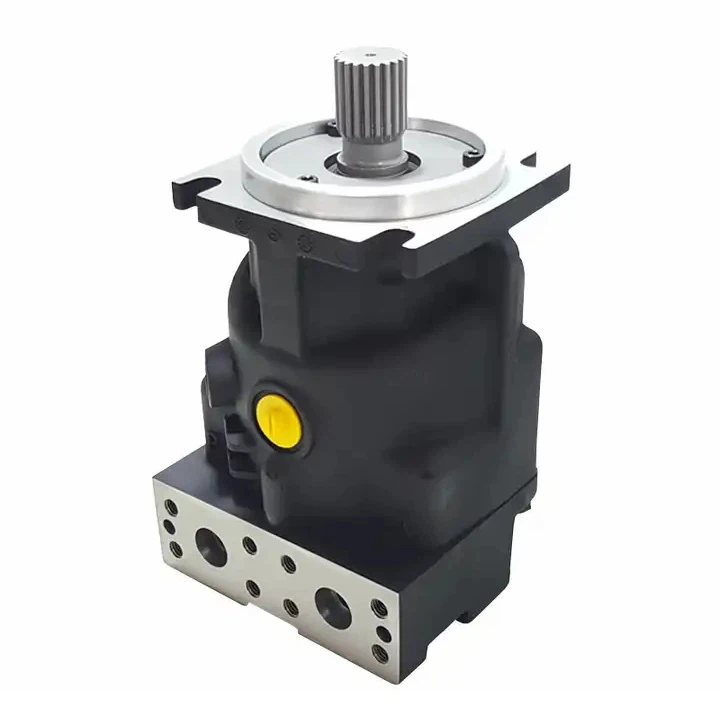
First off, let's quickly go over what piston motors are. There are different types, like the Radial Piston Hydraulic Motor and the Axial Piston Motor. These motors are part of the broader category of Hydraulic Piston Motor. They work by converting hydraulic energy into mechanical energy, which is used to power all sorts of machinery, from construction equipment to industrial robots.
The Environmental Impact of Piston Motors
Piston motors, like many other industrial components, have an environmental footprint. One of the main issues is the use of hydraulic fluids. These fluids are often petroleum - based, which means they're derived from non - renewable resources. When these fluids leak or are disposed of improperly, they can contaminate soil and water sources.
Another aspect is energy efficiency. Inefficient motors consume more energy, which in turn leads to higher greenhouse gas emissions, especially if the energy is sourced from fossil fuels. Also, the manufacturing process of piston motors requires a significant amount of energy and raw materials, contributing to environmental degradation.
Strategies to Make Piston Motors More Environmentally Friendly
1. Using Green Hydraulic Fluids
One of the most straightforward ways to reduce the environmental impact of piston motors is to switch to green hydraulic fluids. These fluids are typically made from renewable resources like vegetable oils. They have several advantages over traditional petroleum - based fluids.
For starters, they're biodegradable. This means that if there's a leak, the fluid will break down naturally over time, reducing the risk of long - term environmental damage. Green hydraulic fluids also tend to have better lubricating properties, which can improve the efficiency and lifespan of the piston motor.
2. Improving Energy Efficiency
Energy efficiency is key to making piston motors more environmentally friendly. We can achieve this through better design and technology. For example, using advanced materials in the construction of the motor can reduce friction. Less friction means less energy is wasted as heat, and the motor can operate more efficiently.
Variable displacement technology is another great way to improve energy efficiency. This technology allows the motor to adjust its displacement based on the load requirements. When the load is low, the motor can operate with a lower displacement, consuming less energy.
3. Recycling and Reusing Components
The manufacturing of piston motors involves a lot of raw materials. By recycling and reusing components, we can reduce the demand for new materials and lower the environmental impact of production. For example, when a motor reaches the end of its life, we can disassemble it and reuse parts that are still in good condition. This not only saves resources but also reduces waste.
4. Optimizing the Manufacturing Process
The manufacturing process of piston motors can be optimized to be more environmentally friendly. This includes using energy - efficient machinery in the factory. For instance, high - efficiency electric motors can be used to power the manufacturing equipment, reducing overall energy consumption.
We can also implement lean manufacturing principles. Lean manufacturing focuses on eliminating waste in all forms, including overproduction, waiting time, and unnecessary transportation. By streamlining the manufacturing process, we can reduce energy use and the amount of raw materials wasted.
5. Remote Monitoring and Predictive Maintenance
Remote monitoring technology allows us to keep an eye on the performance of piston motors without being physically present. By collecting data on factors like temperature, pressure, and vibration, we can detect potential problems early.
Predictive maintenance can then be carried out based on this data. Instead of performing maintenance on a fixed schedule, which may be too frequent or not frequent enough, we can do it when it's actually needed. This reduces the amount of maintenance waste, such as used parts and fluids, and also extends the lifespan of the motor.

The Business Benefits of Environmentally Friendly Piston Motors
Making piston motors more environmentally friendly isn't just good for the planet; it's also good for business. Customers are becoming more environmentally conscious, and they're more likely to choose products that have a lower environmental impact. By offering eco - friendly piston motors, we can attract more customers and gain a competitive edge in the market.
In addition, governments around the world are implementing stricter environmental regulations. By proactively making our piston motors more environmentally friendly, we can ensure that our products comply with these regulations, avoiding potential fines and legal issues.
Implementing These Strategies in Our Business
As a piston motor supplier, I'm committed to implementing these strategies in our business. We're already in the process of researching and testing green hydraulic fluids to see which ones are the best fit for our motors. We're also working on improving the energy efficiency of our products by investing in research and development.
We've started a recycling program for used motors, where we take back old motors, disassemble them, and reuse the viable components. And we're constantly looking for ways to optimize our manufacturing process, from upgrading our machinery to implementing lean manufacturing techniques.
Conclusion
Making piston motors more environmentally friendly is a challenge, but it's also an opportunity. By implementing strategies like using green hydraulic fluids, improving energy efficiency, recycling components, optimizing the manufacturing process, and implementing remote monitoring and predictive maintenance, we can significantly reduce the environmental impact of these motors.
As a supplier, I believe it's our responsibility to lead the way in this area. Not only will it help protect the environment, but it will also benefit our business in the long run. If you're interested in learning more about our environmentally friendly piston motors or have any questions, please don't hesitate to reach out. We're always happy to have a chat and discuss how we can meet your needs. Let's work together to make our industrial processes more sustainable!
References
- "Handbook of Hydraulic Fluid Technology" by George W. Morrison
- "Energy Efficiency in Industrial Motors" by the International Energy Agency
- "Environmental Impact of Industrial Manufacturing Processes" by the United Nations Environment Programme