

How to improve the flow stability of a gear pump and motor?
As a supplier of gear pumps and motors, I understand the critical role that flow stability plays in the performance of these hydraulic components. Flow stability is essential for ensuring consistent operation, minimizing wear and tear, and maximizing the efficiency of machinery that relies on gear pumps and motors. In this blog post, I will share some practical tips on how to improve the flow stability of gear pumps and motors, drawing on my experience in the industry.
Understanding the Basics of Gear Pumps and Motors
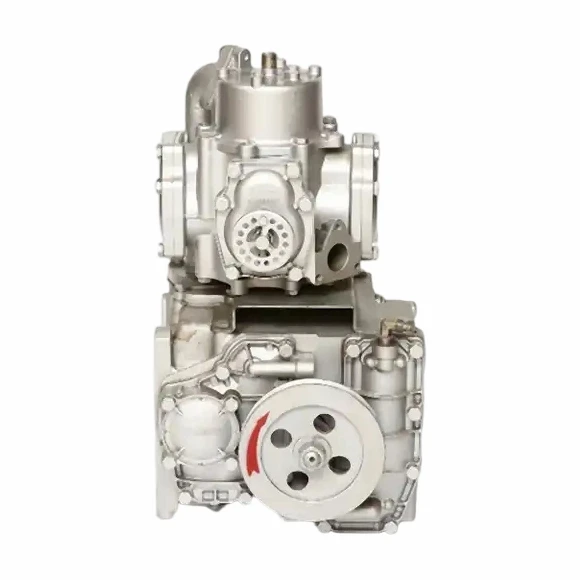
Before delving into the strategies for improving flow stability, it's important to have a basic understanding of how gear pumps and motors work. A Positive Displacement Gear Pump is a type of hydraulic pump that uses the meshing of gears to displace fluid. As the gears rotate, they create chambers that trap and move fluid from the inlet to the outlet. Gear motors, on the other hand, convert hydraulic energy into mechanical energy by using the pressure of the fluid to rotate the gears.
The flow rate of a gear pump or motor is determined by several factors, including the size and speed of the gears, the viscosity of the fluid, and the pressure differential across the pump or motor. Any fluctuations in these factors can lead to variations in the flow rate, which can affect the performance of the hydraulic system.
Strategies for Improving Flow Stability
1. Select the Right Gear Pump or Motor
The first step in improving flow stability is to select the right gear pump or motor for your application. Consider the following factors when making your selection:
- Flow Rate Requirements: Determine the required flow rate for your application and choose a pump or motor that can deliver the desired flow at the required pressure.
- Fluid Viscosity: The viscosity of the fluid can have a significant impact on the performance of the pump or motor. Make sure to choose a pump or motor that is designed to handle the viscosity of the fluid you will be using.
- Operating Conditions: Consider the operating conditions, such as temperature, pressure, and speed, when selecting a pump or motor. Choose a pump or motor that is rated for the specific operating conditions of your application.
2. Maintain Proper Fluid Conditions
The quality and condition of the fluid can also affect the flow stability of the pump or motor. Here are some tips for maintaining proper fluid conditions:

- Use Clean Fluid: Contaminants in the fluid can cause wear and damage to the gears and other components of the pump or motor, leading to fluctuations in the flow rate. Make sure to use clean, filtered fluid and change the fluid regularly to prevent contamination.
- Monitor Fluid Temperature: The temperature of the fluid can affect its viscosity, which can in turn affect the flow rate. Monitor the fluid temperature and make sure it stays within the recommended range for the pump or motor.
- Check Fluid Level: Low fluid levels can cause cavitation, which can damage the gears and other components of the pump or motor. Make sure to check the fluid level regularly and maintain it at the proper level.
3. Optimize the System Design
The design of the hydraulic system can also have a significant impact on the flow stability of the pump or motor. Here are some tips for optimizing the system design:
- Minimize Pipe Length and Bends: Long pipes and sharp bends can increase the resistance to flow, leading to fluctuations in the flow rate. Try to minimize the length of the pipes and use gentle bends to reduce the resistance to flow.
- Use Properly Sized Pipes and Fittings: Using pipes and fittings that are too small can increase the resistance to flow, while using pipes and fittings that are too large can lead to inefficient operation. Make sure to use pipes and fittings that are properly sized for the flow rate and pressure of the system.
- Install a Pressure Relief Valve: A pressure relief valve can help to prevent overpressure in the system, which can cause damage to the pump or motor and lead to fluctuations in the flow rate. Make sure to install a pressure relief valve in the system and set it to the appropriate pressure.
4. Regular Maintenance and Inspection
Regular maintenance and inspection of the pump or motor are essential for ensuring optimal performance and flow stability. Here are some maintenance and inspection tasks to perform:
- Check for Leaks: Leaks in the system can cause a loss of pressure and fluid, leading to fluctuations in the flow rate. Check for leaks regularly and repair them immediately.
- Inspect the Gears and Other Components: The gears and other components of the pump or motor can wear over time, leading to fluctuations in the flow rate. Inspect the gears and other components regularly and replace them if necessary.
- Lubricate the Moving Parts: Proper lubrication of the moving parts can reduce friction and wear, leading to smoother operation and more stable flow. Make sure to lubricate the moving parts of the pump or motor regularly.
Conclusion
Improving the flow stability of gear pumps and motors is essential for ensuring consistent operation, minimizing wear and tear, and maximizing the efficiency of hydraulic systems. By selecting the right pump or motor, maintaining proper fluid conditions, optimizing the system design, and performing regular maintenance and inspection, you can improve the flow stability of your gear pumps and motors and ensure reliable performance.
If you are in the market for high-quality gear pumps and motors, we are here to help. As a leading supplier of Gear Pump for Oil Transfer and Fuel Gear Pump, we offer a wide range of products to meet your specific needs. Contact us today to learn more about our products and how we can help you improve the flow stability of your hydraulic system.
References
- Hydraulic Pumps and Motors Handbook, Second Edition, by Heinz P. Bloch and Fred K. Geitner
- Fluid Power Engineering, by Anthony Esposito
- Hydraulic Systems: Components, Installation, and Maintenance, by Eugene F. Oberg