

Can an internal gear pump be used for pumping coolants?
Hey there! As a supplier of Internal Gear Pumps, I often get asked if these pumps can be used for pumping coolants. Well, let's dive right into it and find out.
First off, let's understand what an internal gear pump is. An internal gear pump is a type of positive displacement pump. It works by using two gears - an outer gear and an inner gear. The inner gear is located inside the outer gear, and as they rotate, they create chambers that trap fluid at the inlet and then move it to the outlet. This design allows for a smooth and continuous flow of fluid.
Now, when it comes to coolants, they are used in a variety of applications, such as in automotive engines, industrial machinery, and HVAC systems. Coolants are typically liquids that help transfer heat away from the components, preventing them from overheating. So, can an internal gear pump handle this job?
The answer is yes, in many cases. Internal gear pumps have several characteristics that make them suitable for pumping coolants. One of the main advantages is their ability to handle a wide range of viscosities. Coolants can have different viscosities depending on their composition and the temperature at which they operate. Internal gear pumps can adapt to these changes in viscosity, ensuring a consistent flow rate.
Another benefit is their high efficiency. These pumps are designed to minimize internal leakage, which means they can deliver a large amount of fluid with relatively low power consumption. This is important when pumping coolants, as it helps reduce energy costs and improve the overall performance of the system.
Internal gear pumps also offer a smooth and quiet operation. This is crucial in applications where noise is a concern, such as in automotive engines or office buildings. The smooth operation of the pump helps prevent vibrations and reduces the risk of damage to the system.

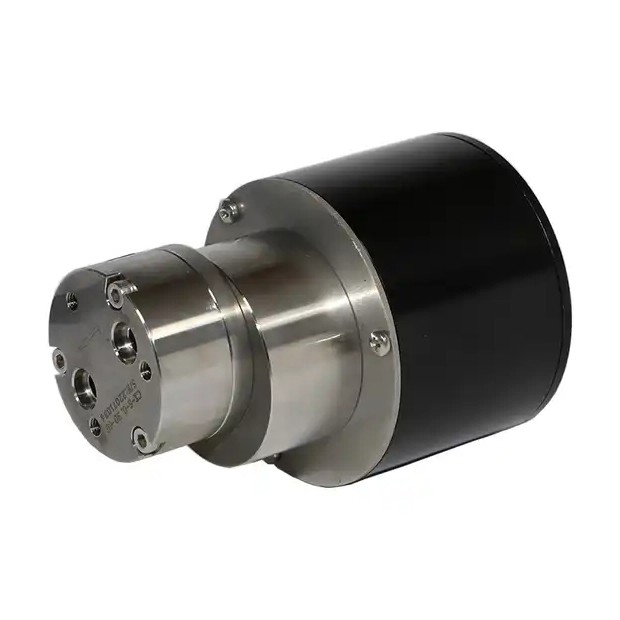
However, there are some factors to consider when using an internal gear pump for pumping coolants. One of the main considerations is the compatibility of the pump materials with the coolant. Coolants can contain various chemicals and additives that may be corrosive or abrasive. It's important to choose a pump with materials that are resistant to these substances to ensure long-term reliability.
Another factor is the temperature range. Coolants can operate at high temperatures, especially in industrial applications. Internal gear pumps need to be able to withstand these high temperatures without losing their performance or durability. Some pumps are designed with special materials or cooling mechanisms to handle extreme temperatures.
Let's take a look at some specific applications where internal gear pumps are commonly used for pumping coolants. In automotive engines, coolants are used to regulate the temperature of the engine. Internal gear pumps are often used in the engine cooling system to circulate the coolant through the radiator and the engine block. These pumps need to be reliable and efficient to ensure proper engine cooling.
In industrial machinery, coolants are used to cool down various components, such as motors, generators, and hydraulic systems. Internal gear pumps can be used to circulate the coolant through these systems, providing a continuous flow of cooling fluid. This helps prevent overheating and extends the lifespan of the machinery.
In HVAC systems, coolants are used to transfer heat between the indoor and outdoor environments. Internal gear pumps can be used to circulate the coolant through the refrigerant circuit, ensuring efficient heat transfer. These pumps need to be able to handle the high pressures and temperatures associated with HVAC systems.
If you're interested in learning more about different types of gear pumps, you can check out these links: Micropump Gear Pump, External and Internal Gear Pump, and Gear Pump and Piston Pump.
In conclusion, internal gear pumps can be a great choice for pumping coolants in a variety of applications. Their ability to handle different viscosities, high efficiency, smooth operation, and compatibility with various materials make them a reliable option. However, it's important to consider the specific requirements of your application and choose a pump that is suitable for your needs.
If you're in the market for an internal gear pump for coolant pumping, I'd love to have a chat with you. We can discuss your specific requirements and find the best solution for your application. Don't hesitate to reach out and start the conversation.
References
- "Positive Displacement Pumps: Principles and Applications" by John Smith
- "Coolant Systems for Industrial Machinery" by Jane Doe
- "Automotive Engine Cooling Systems" by Tom Johnson